Gentrification, Homelessness, and the Fight for Community Identity
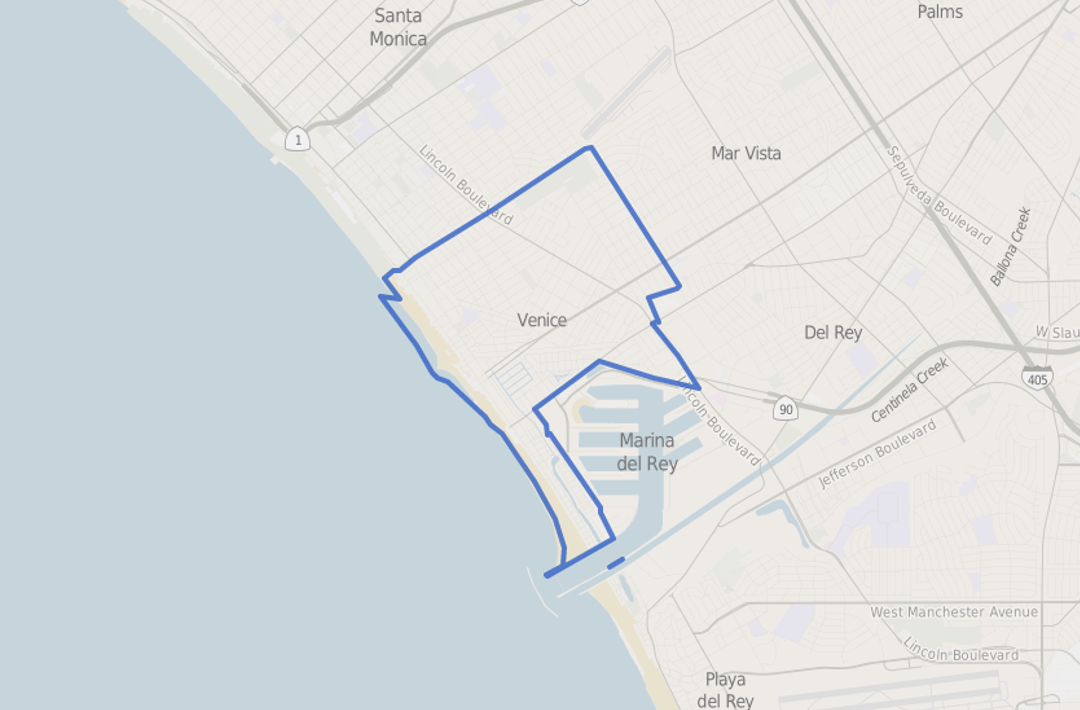
Venice, California, is often associated with beautiful beaches, colorful murals, artistic expression, and an unmistakable sense of individuality. Its charming canals, trendy boutiques, and multimillion-dollar homes attract visitors from around the world.
But what happens when the very characteristics that make a community desirable begin to threaten the people who helped shape its identity?
In August 2017, while pursuing my Master of Social Work at the University of Southern California, I participated in a community immersion experience in Venice as part of my graduate studies in social work policy and advocacy.
What initially appeared to be a beautiful coastal neighborhood revealed something much more complicated: a community experiencing significant economic transformation, rising housing pressures, homelessness, and concerns about displacement.
That experience challenged me to examine an important question:
Who benefits when a neighborhood becomes more desirable, and who pays the price?
Looking Beyond the Beauty of Venice
Our community assessment began with a walking tour of Venice.
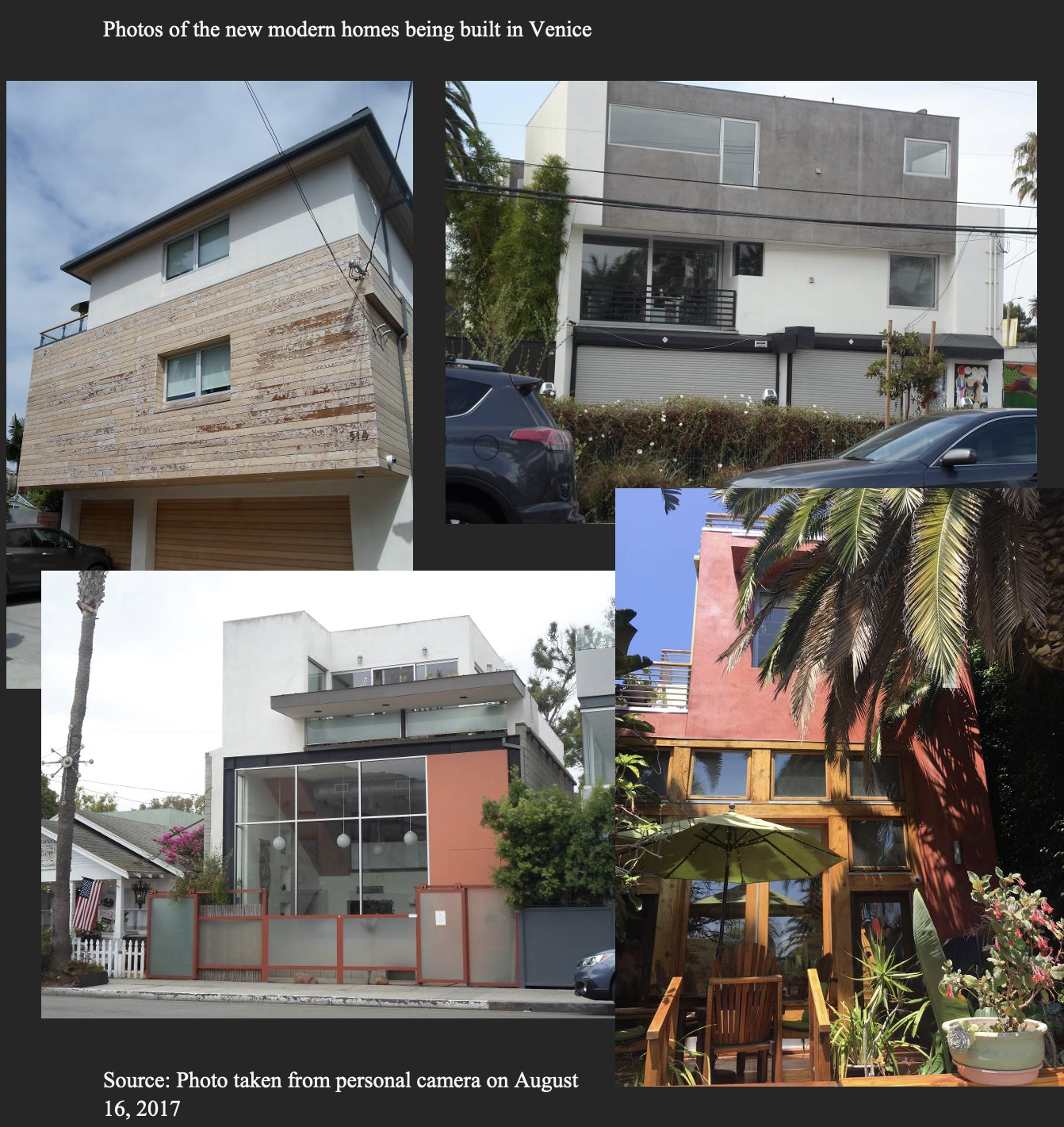
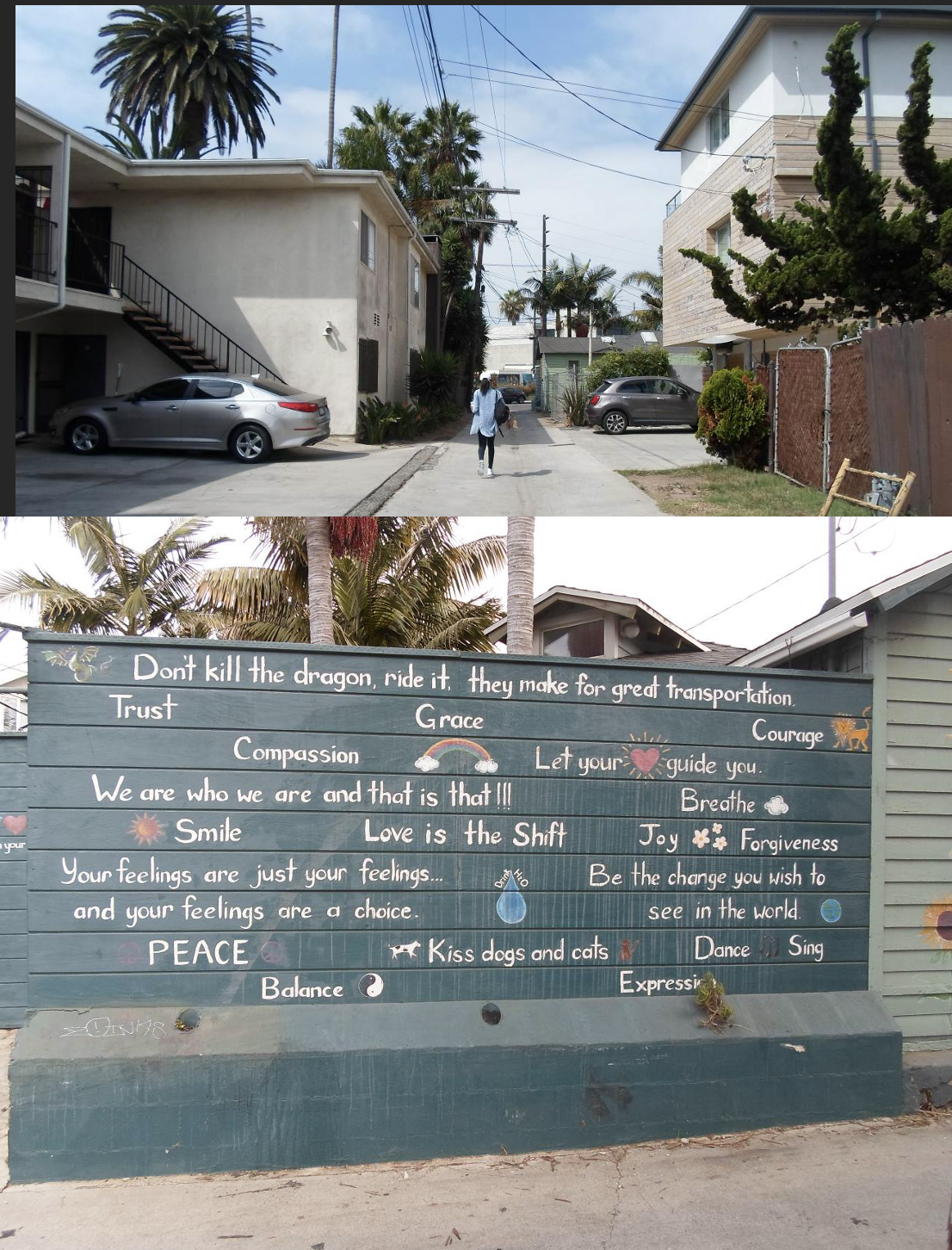
As we explored Abbot Kinney Boulevard, we passed high-end boutiques, restaurants, and modern homes with expansive glass windows. Near the Venice Canals, we admired beautiful waterfront properties surrounded by kayaks, footbridges, and picturesque landscaping.
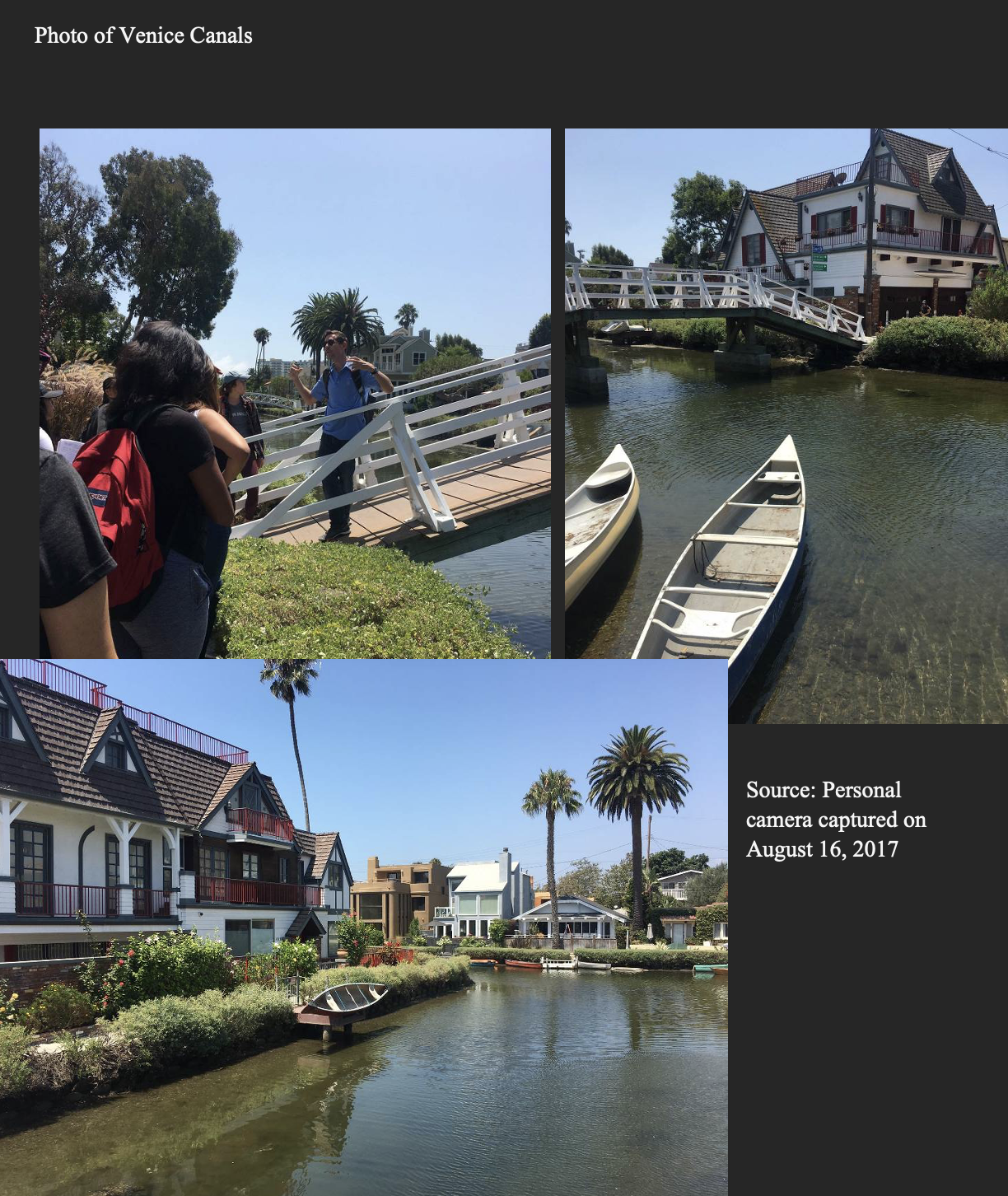
At first glance, Venice seemed like a thriving community.
However, just a few blocks away, the environment changed dramatically.
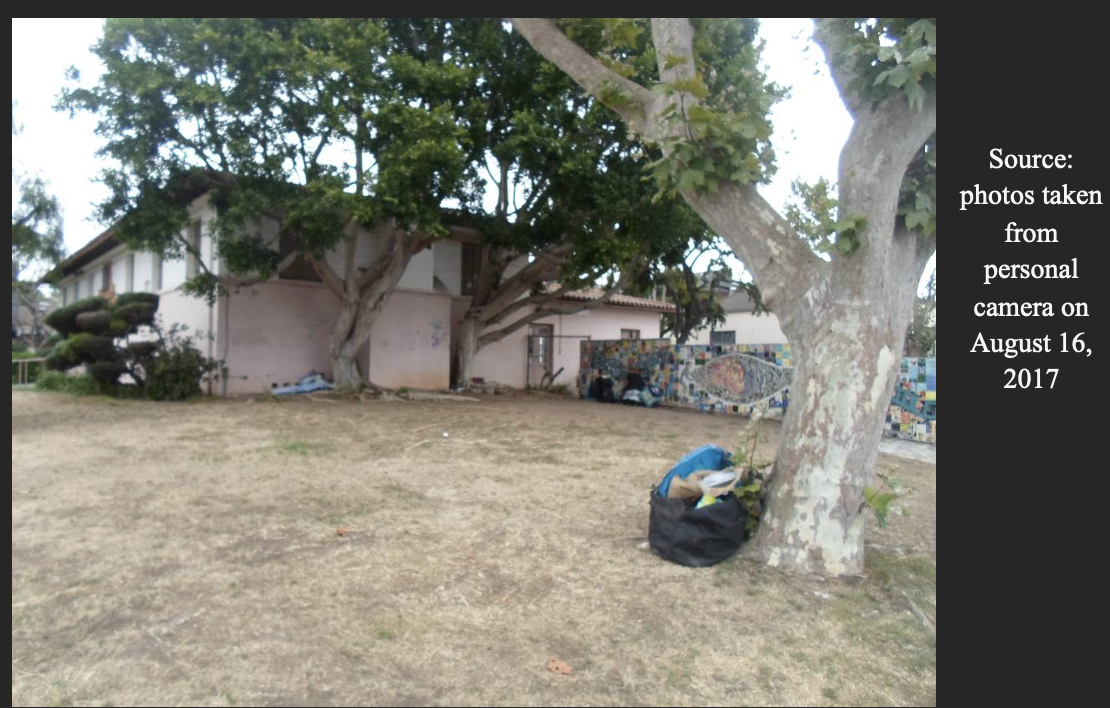
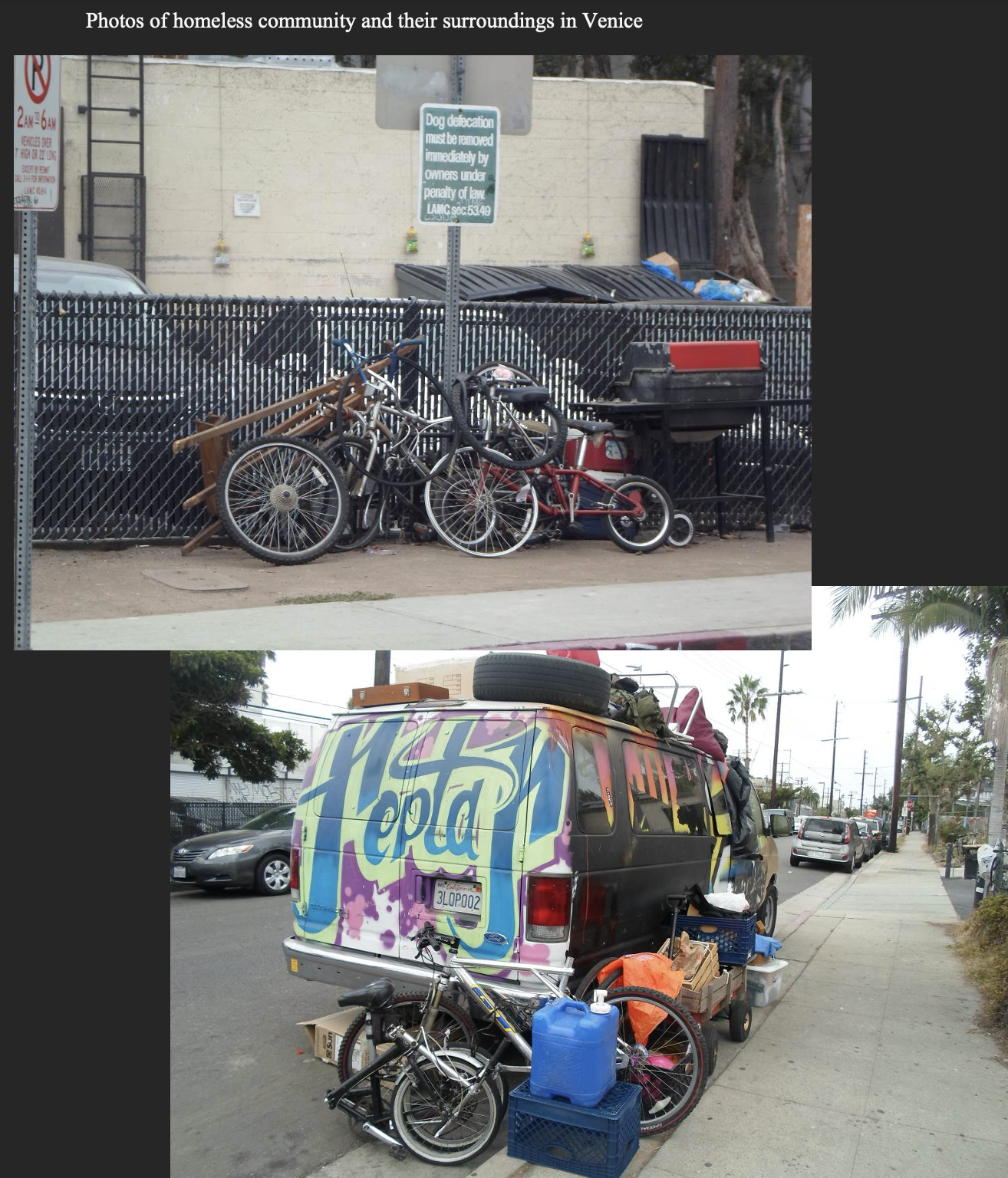
We encountered individuals experiencing homelessness, belongings gathered along sidewalks, and recreational vehicles serving as temporary shelter.
The contrast was difficult to ignore.
On one street stood multimillion-dollar homes. On another, individuals struggled to meet their most basic needs.
It became clear that economic prosperity was not being experienced equally throughout the community.
This observation reinforced one of the foundational principles of social work: understanding individuals requires understanding the social environments in which they live.
A neighborhood's wealth does not necessarily reflect the well-being of everyone who calls it home.
The Hidden Cost of Gentrification
One of the most significant issues we explored was gentrification.
Gentrification generally refers to the transformation of historically lower-income neighborhoods through an influx of higher-income residents, investment, and redevelopment.
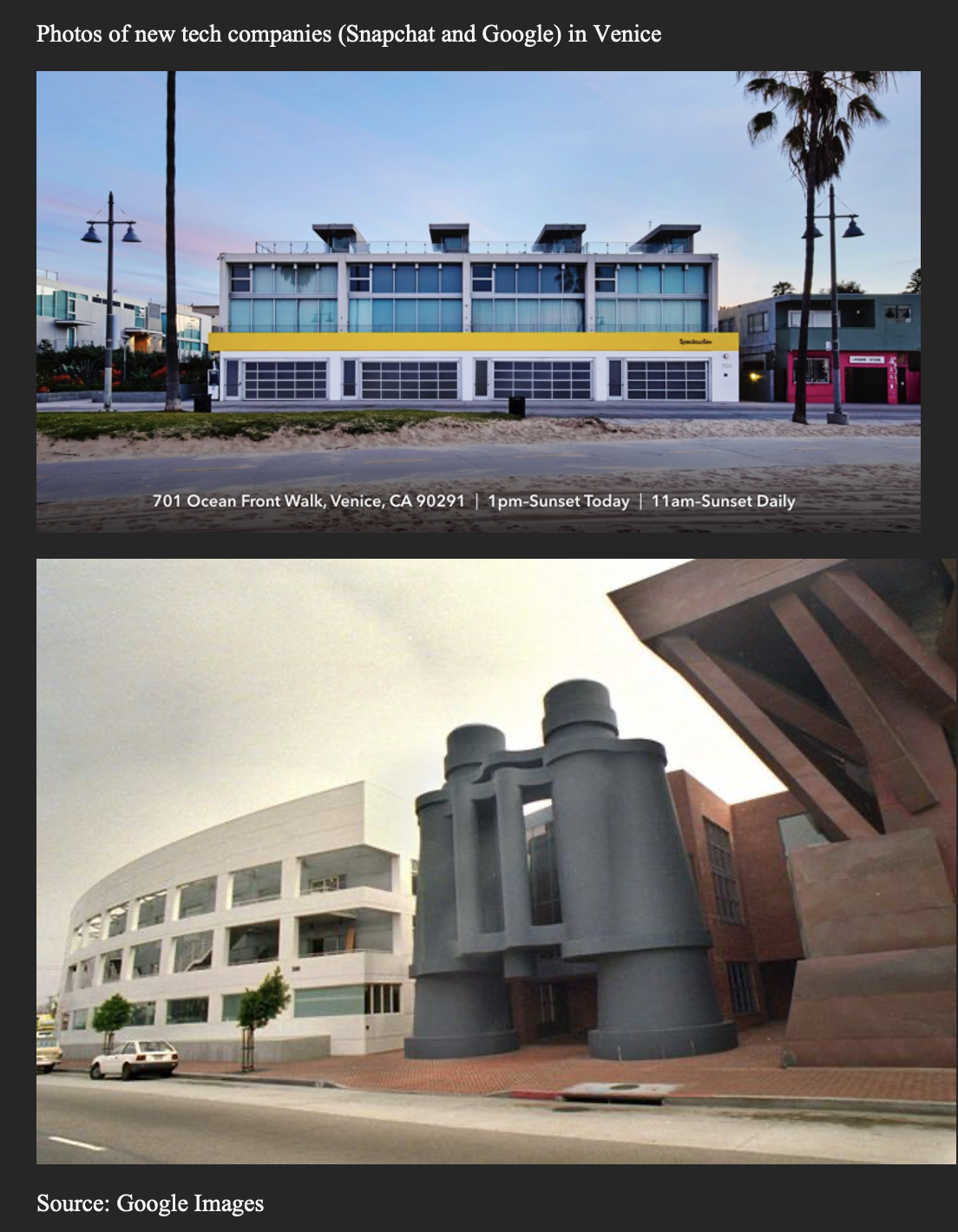
While neighborhood investment can bring improved infrastructure, new businesses, and economic opportunities, it can also contribute to rising housing costs and the displacement of longtime residents.
During our visit, we spoke with a Venice resident whom I identified in my original assessment as Melinda.
She had lived in Venice for approximately 17 years and described how the community was changing.
According to Melinda, longtime residents were selling their homes and moving to surrounding cities as new developments transformed the neighborhood.
She expressed particular concern about the replacement of older homes with large, modern structures that she felt lacked the artistic character of Venice.
Her perspective highlighted something important: gentrification is not simply about changing buildings. It can also change the social relationships, cultural identity, and sense of belonging within a community.
When longtime residents leave, neighborhoods may lose more than affordable housing.
They can lose generations of shared history, relationships, cultural traditions, and community knowledge.
For residents who have spent decades building their lives in a neighborhood, displacement can represent a profound loss of identity and connection.


When Community Demographics Do Not Tell the Whole Story
In my original 2017 assessment, I reviewed demographic information from the 2011–2015 American Community Survey.
At that time, the data reported a median household income of approximately $80,111 and a median owner-occupied housing value exceeding $1 million.
These figures suggested considerable economic resources within Venice.
However, the visible presence of homelessness and housing insecurity presented a different reality.
This raised an important question about how we interpret community data.
A community can have a relatively high median household income while still experiencing substantial economic inequality.
Demographic averages may obscure the experiences of individuals whose financial circumstances differ significantly from those of higher-income residents.
For social workers, this is particularly relevant.
Relying solely on statistics may result in overlooking populations whose needs are not adequately represented by neighborhood-level data.
Understanding a community requires both quantitative information and the lived experiences of its residents.
Community assessments should therefore consider not only income and property values but also housing stability, access to resources, social networks, and the experiences of historically marginalized populations.
Homelessness Is More Than an Individual Problem
During our community immersion, homelessness emerged as one of the most visible and pressing social concerns.
My original research described Venice as having a particularly large concentration of people experiencing homelessness within Los Angeles County.
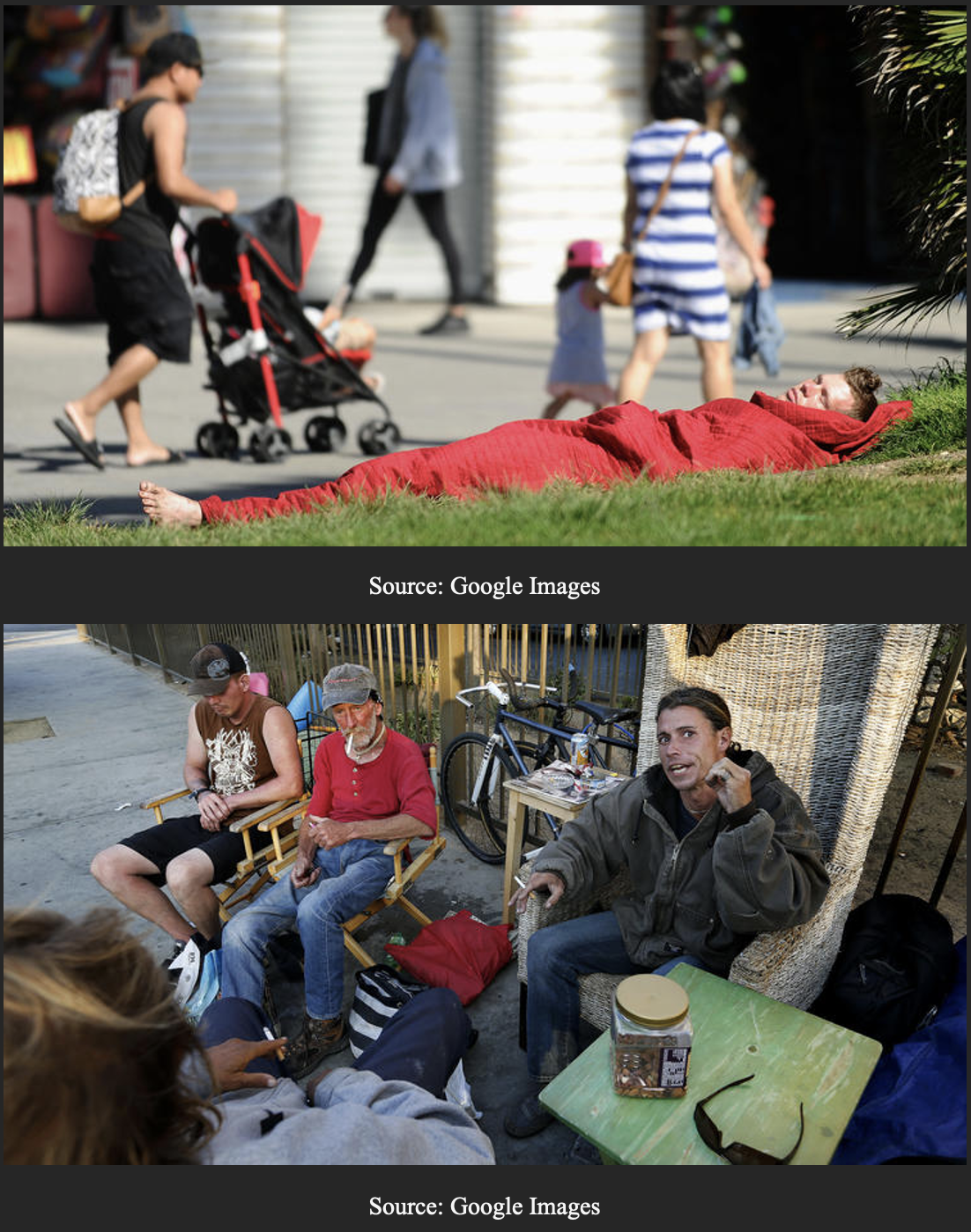
We observed individuals sleeping outdoors and living in recreational vehicles, while nearby residents expressed concerns about public safety and neighborhood conditions.
These experiences illustrated the complex relationship between individual needs, housing availability, and community responses.
Homelessness is sometimes discussed as though it results primarily from personal decisions.
However, a social work perspective requires us to examine broader contributing factors.
Housing affordability, poverty, inadequate access to supportive services, discrimination, and economic instability can all influence a person's risk of experiencing homelessness.
Individual circumstances vary, but housing insecurity cannot be fully understood without examining the systems that influence access to stable housing.
This is where the person-in-environment perspective becomes especially important.
Rather than viewing homelessness exclusively as an individual problem, this perspective encourages us to consider how people interact with their social, economic, political, and physical environments.
A person's circumstances may be shaped by systems that are largely outside their immediate control.
Understanding those systems is essential to developing meaningful interventions.
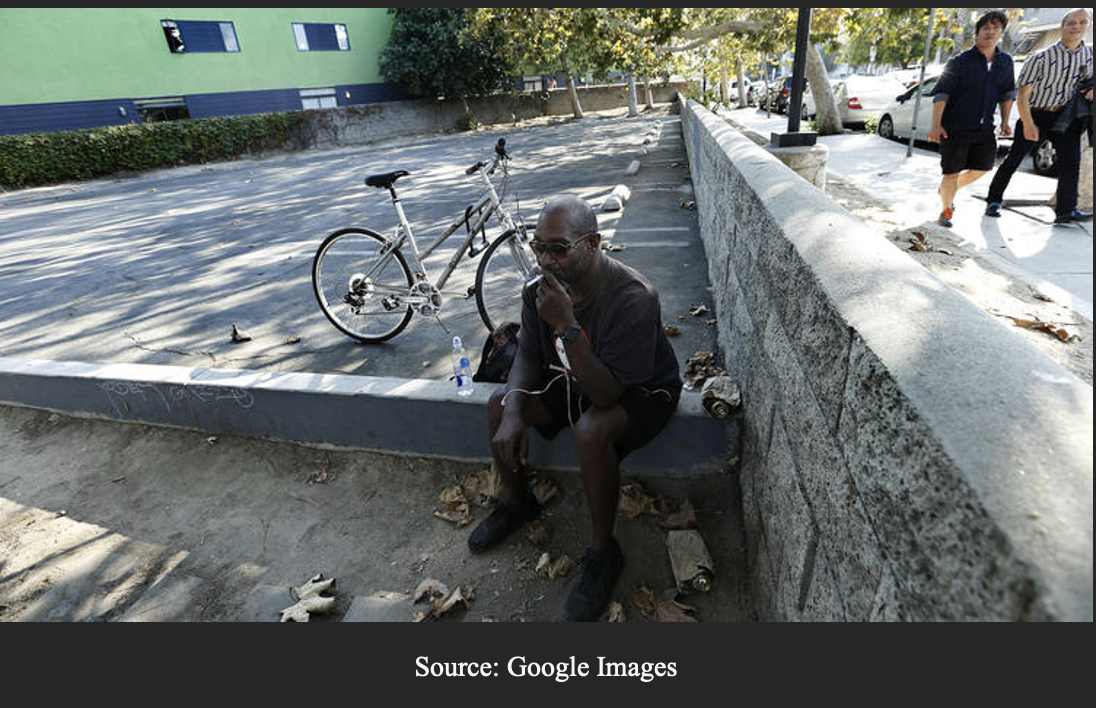
The Tension Between Community Safety and Social Responsibility
Another issue that emerged during our assessment was the tension between housed residents and individuals experiencing homelessness.
Some community members expressed concerns about recreational vehicles parked near their homes and businesses.
These concerns reflected broader conversations about public safety, neighborhood resources, and the use of shared spaces.
During our research, we encountered the term NIMBY, meaning "Not In My Backyard."
This term is often used to describe opposition to certain developments, facilities, or activities near residential neighborhoods, including housing and services intended to support vulnerable populations.
The challenge is that communities may recognize homelessness as a serious problem while simultaneously resisting proposed solutions within their own neighborhoods.
From a social work perspective, this creates an important ethical tension.
How do we respond to residents' concerns while protecting the dignity, safety, and human rights of individuals experiencing homelessness?
The answer requires moving beyond an either-or approach.
Communities need solutions that recognize the legitimate needs of multiple groups while avoiding policies that simply move vulnerable populations from one neighborhood to another.
Meaningful responses to homelessness require collaboration, accessible services, housing opportunities, and policies that address structural barriers.
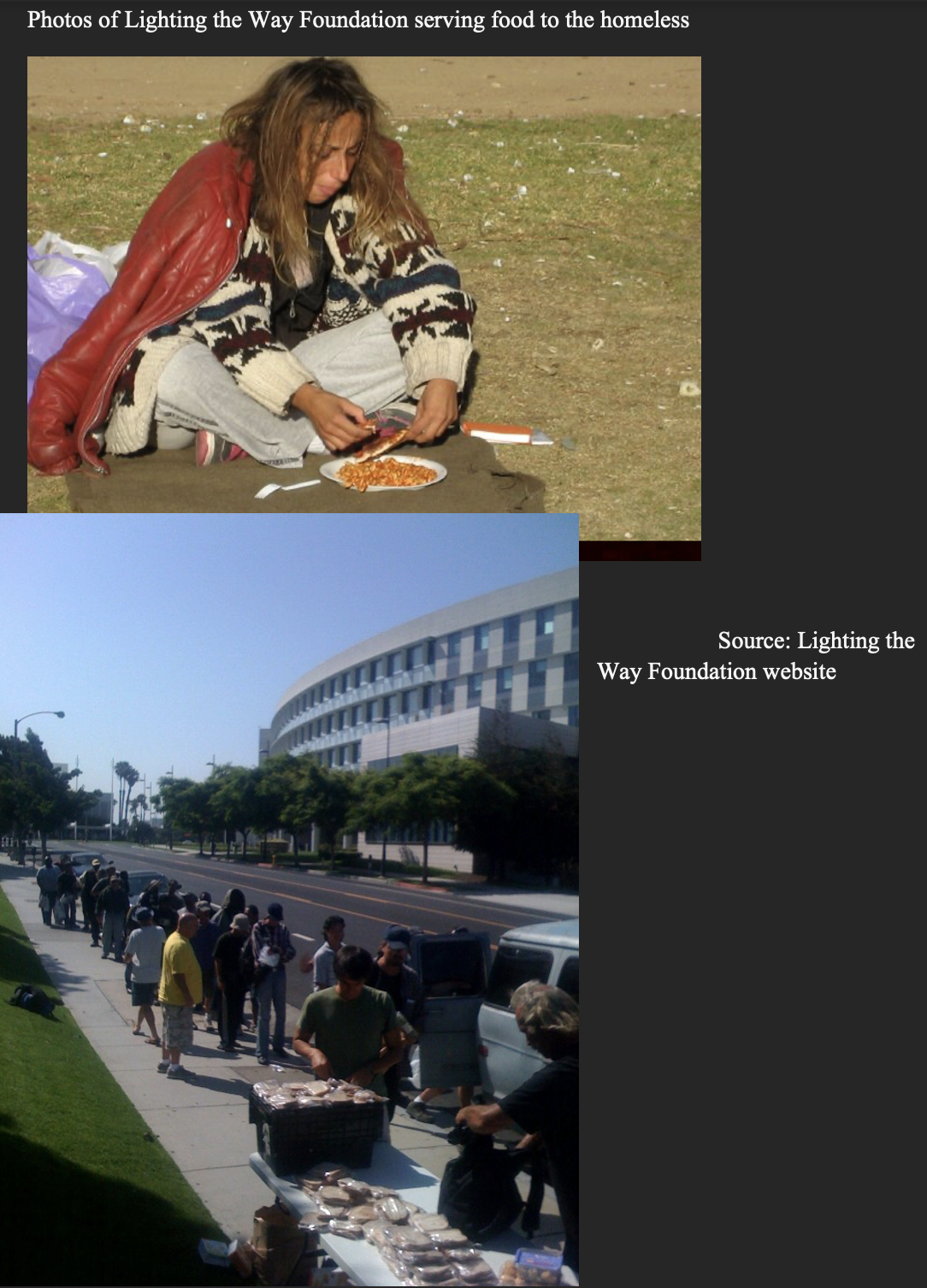
Community Strengths: The Organizations Working Toward Change
Despite the challenges we observed, Venice also demonstrated significant community strengths.
One of the most encouraging aspects of our immersion experience was learning about organizations working to support individuals experiencing homelessness.
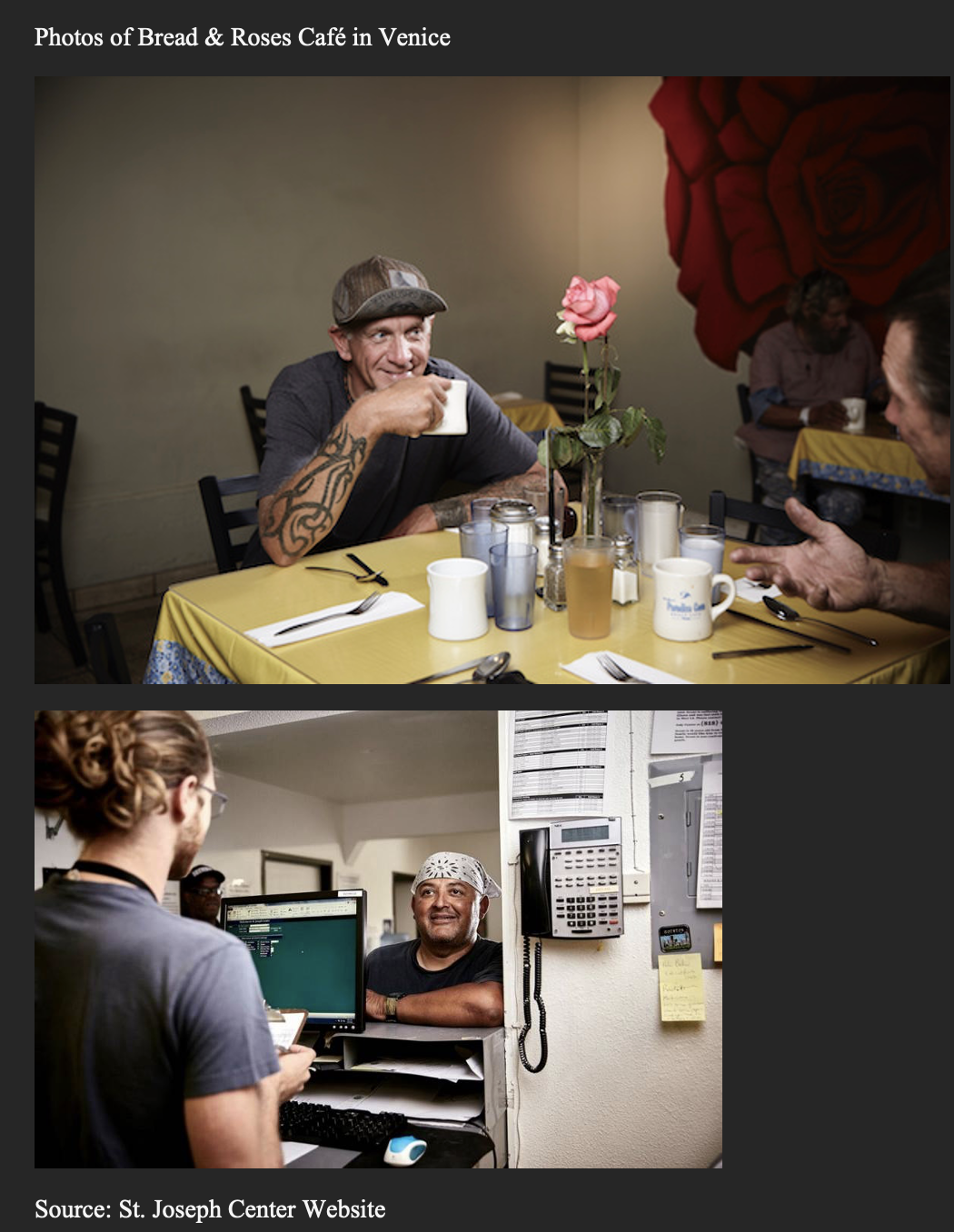
Among them was St. Joseph Center, a nonprofit organization providing services to individuals and families experiencing poverty and housing instability.
Our assessment highlighted its Bread & Roses Café, a program that provided nutritious meals in a welcoming environment.
What stood out was the program's emphasis on dignity.
Rather than simply distributing food, Bread & Roses sought to create a dining experience in which individuals were treated with respect.
This approach reflects an important principle in social work practice:
How we provide support matters just as much as the support itself.
We also learned about faith-based volunteers who distributed meals and supplies to individuals living outdoors.
These community efforts demonstrated the importance of collaboration among nonprofit organizations, volunteers, service providers, and residents.
Although direct services cannot independently resolve systemic housing inequality, they can provide essential support while broader policy solutions are pursued.
Why Community Representation Matters
One of the most interesting aspects of my research involved examining community leadership.
In 2017, I explored the role of the Venice Neighborhood Council and its influence on discussions surrounding housing, homelessness, and development.
My assessment raised concerns about whether the council's composition adequately reflected the community's racial and cultural diversity.
This issue is particularly significant in neighborhoods experiencing gentrification.
When communities undergo rapid economic and demographic change, longtime residents may have fewer opportunities to influence decisions about redevelopment, affordable housing, and neighborhood priorities.
This raises important questions about representation.
Whose voices are included in community decision-making?
Who has access to political influence?
And whose concerns receive the greatest attention?
Community advocacy must involve more than making decisions on behalf of residents.
It should create opportunities for people to participate meaningfully in decisions that affect their homes, neighborhoods, and futures.
From a social work perspective, community participation and self-determination are essential components of ethical practice.
Social Work Beyond the Therapy Room
One of the most valuable lessons from this experience was recognizing how social work operates beyond individual counseling and therapeutic relationships.
Social workers practice at multiple levels.
Micro-level social work focuses on individuals and families. In Venice, this might involve connecting an unhoused individual with housing assistance, mental health care, or other supportive services.
Mezzo-level social work focuses on groups, organizations, and communities. This could involve collaborating with neighborhood organizations, community groups, and nonprofit agencies to improve access to resources.
Macro-level social work addresses larger systems, policies, and institutions. In the context of Venice, this includes advocating for affordable housing preservation, equitable development, and policies designed to reduce displacement.
These levels are interconnected.
Providing individual support is essential, but long-term community change also requires addressing the conditions contributing to people's difficulties.
For example, helping a family locate temporary housing may provide immediate relief. However, if affordable housing continues to disappear, that family may remain vulnerable to future displacement.
Social workers must therefore consider both immediate needs and systemic conditions.
This is what makes community-centered social work so important.
What Venice Taught Me About Social Justice
Looking back on my 2017 experience, I recognize that one of the most significant lessons was the importance of looking beneath the surface.
It is easy to admire a neighborhood's architecture, restaurants, and economic development without considering the experiences of people who can no longer afford to remain there.
It is also easy to examine homelessness without asking how housing markets, public policies, and community attitudes contribute to the problem.
Our community immersion required us to challenge those assumptions.
We were encouraged to observe, listen, ask questions, and recognize that communities are shaped by more than their physical environments.
They are shaped by history, relationships, resources, inequalities, and the people who inhabit them.
I also came to appreciate the importance of preserving community identity.
Venice's artistic culture, historical architecture, and diverse population contributed to its distinctive character.
Yet economic redevelopment raised concerns about whether those qualities could be preserved as the neighborhood continued to change.
A community's success should not be measured exclusively by rising property values or the arrival of new businesses.
It should also be evaluated by whether longtime residents can remain, participate, and thrive.
Final Reflections: Who Has the Right to Belong?
Nearly a decade after conducting this assessment, I continue to reflect on the questions it raised about social justice, housing, and community identity.
Gentrification is not inherently simple, and neighborhood change can bring both opportunities and challenges.
However, development should not require communities to sacrifice affordability, cultural identity, or the well-being of vulnerable residents.
As social workers, we have a responsibility to consider whose needs are being prioritized and whose voices may be missing from important conversations.
We must recognize that homelessness, displacement, and poverty do not exist independently of the environments in which people live.
They are connected to policies, resources, opportunities, and social structures.
Perhaps the most important lesson from my experience in Venice is this:
A thriving community is not simply one that attracts wealth. It is one that creates opportunities for people from different socioeconomic backgrounds to live with dignity, stability, and a sense of belonging.
Because the true value of a community cannot be measured by the price of its homes alone.
It must also be measured by how it treats the people who call it home.
Author's Note: This article is adapted from a community assessment I completed in September 2017 as a graduate student at the University of Southern California Suzanne Dworak-Peck School of Social Work. The observations, interviews, and demographic information discussed reflect the period in which the original assessment was conducted and should not be interpreted as a description of current conditions in Venice.
Reflection Question: How can communities encourage economic development while protecting affordable housing, cultural identity, and the needs of longtime residents?
