
When Boundaries Are Not So Simple in Therapy
Therapy boundaries are meant to protect clients, but real life is not always simple. What happens when a therapist sees a client in public, receives a social media request, or navigates cultural expectations around warmth and connection? This post explores dual relationships, confidentiality, and why ethical therapy needs both clear boundaries and trauma-informed flexibility.

What Ethics Mean for Mind-Body Practice
Ethics are more than professional rules. They are the values that guide how we care, decide, and show up. This post explores the difference between a code of ethics and a code of conduct, and why both matter in therapy, mind-body medicine, cultural humility, and professional boundaries.
“I Have No Clue Who I Am”: How Values Can Help Build Identity
If you’ve ever thought, “I have no clue who I am,” you’re not alone. Identity can feel blurry after trauma, survival mode, people-pleasing, or years of living by other people’s expectations. This post explores how values can help you reconnect with what matters, make more aligned choices, and build a stronger sense of self one small step at a time.

Can HRV Biofeedback Help With Stress? What the Research Says
HRV biofeedback is a mind-body tool that helps people notice the connection between breathing, heart rhythms, stress, and nervous system regulation. Research suggests it may support stress reduction, emotional regulation, and self-awareness, but the numbers only tell part of the story. This post explores what the research says and why people’s lived experiences matter too.
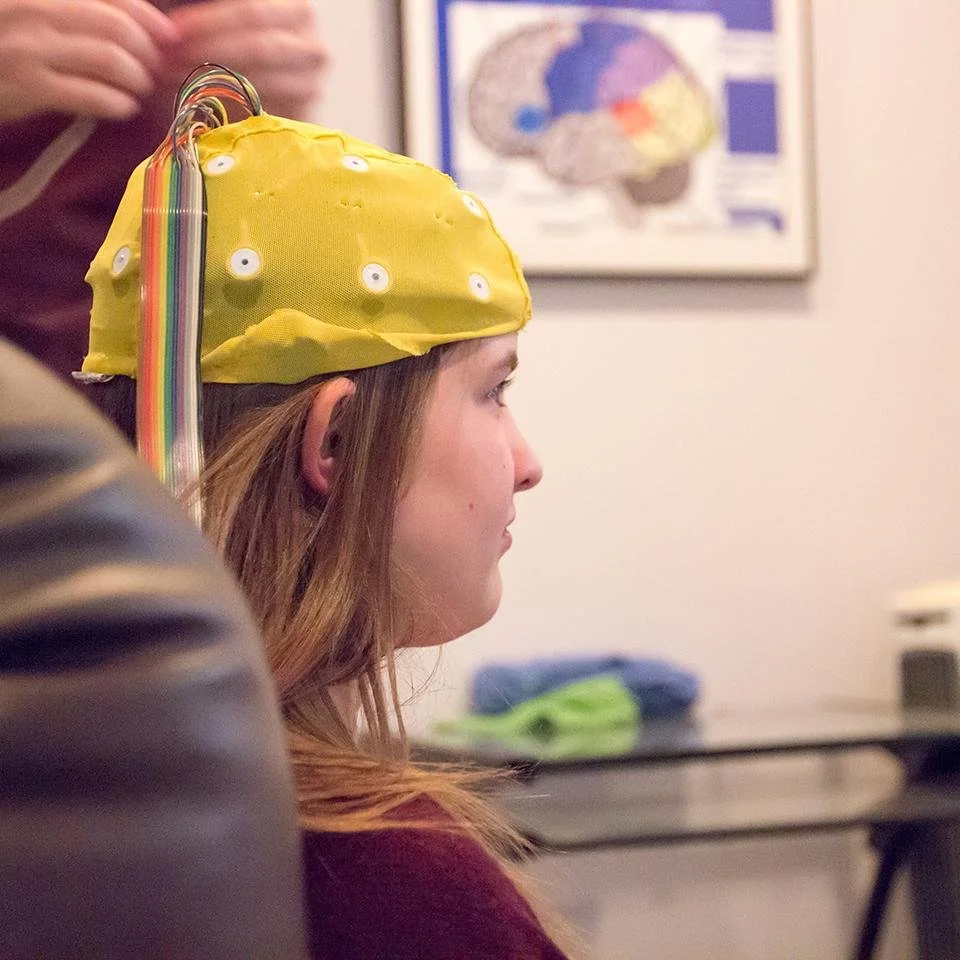
When ADHD Looks Like Trauma: How QEEG May Help Us Understand the Difference
ADHD and trauma can sometimes look surprisingly similar in teens. Trouble focusing, restlessness, emotional outbursts, or difficulty finishing tasks may be labeled as ADHD, but for some young people, especially those with chronic stress or foster care histories, the real story may be trauma. This post explores how brain mapping with QEEG may help us look beneath behavior and ask a better question: is this brain underactivated, or is this nervous system on high alert?
Why Your "Relaxing" Playlist Might Be Stressing You Out (The Science of Sound)
Did you know that "relaxing" music can actually increase brain stress if you're a musician? This post explores the science of Neuromodulation, debunking the idea that one playlist fits all and explaining why your brain is picky about what it hears.
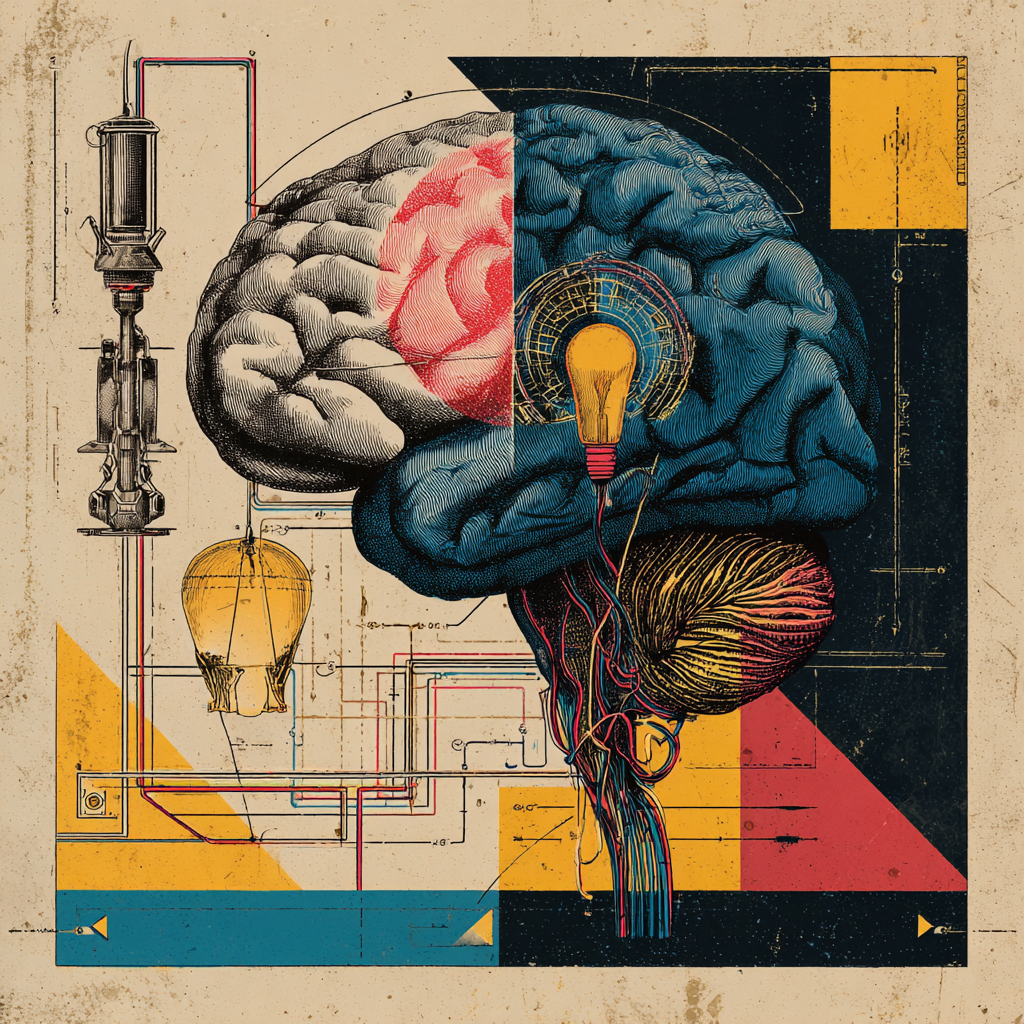
The Neuroscience of How Habits Are Built (and Broken)
Why is it so hard to break a bad habit? It’s not just a lack of willpower; it’s biology. This post explores the neurophysiology of habit formation, explaining how the brain shifts tasks from the "thinking" Prefrontal Cortex to the "automatic" Basal Ganglia to save energy.

Why Nature is Essential for Nervous System Regulation
Why does a walk in the woods lower your blood pressure? It comes down to "Soft Fascination" and the Parasympathetic Nervous System. This post explores the psychophysiology of nature, the difference between real and virtual environments, and why cultural background changes how we heal.
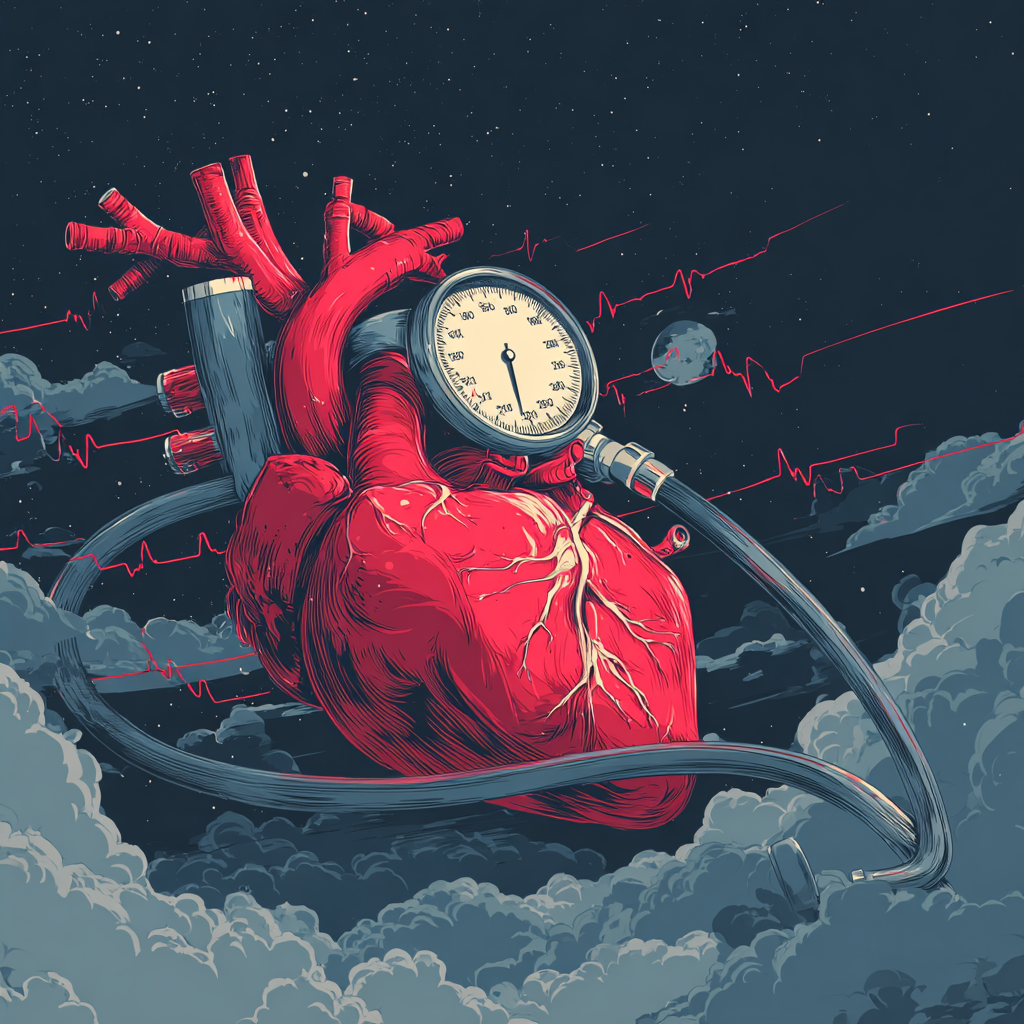
How Biofeedback Trains Your Body to Lower Blood Pressure
Medication isn't the only way to lower blood pressure. This post explores the science of Biofeedback, explaining how retraining your nervous system , through HRV, thermal, and GSR training, can fix the "broken" feedback loops that cause hypertension.

When Rigid Boundaries Fail Our Clients
My therapist hugged me, mentored me, and broke the "rules" and it healed me. This post explores the controversial topic of Dual Relationships in therapy. I discuss why I advocate for "Trauma-Informed Flexibility" over rigid boundaries, and how I navigate the tension between professional ethics and human connection.

The Self-Fulfilling Prophecy: Harnessing the Power of Placebo (and Avoiding Nocebo) in Healing
Is the "Placebo Effect" just a trick, or is it real physiology? This post explores the power of expectation in healing. I compare examples from Holistic Nutrition with my own work in Clinical Social Work to show how empathy and expectation can trigger biochemical changes.

A Vision for a More Spiritual Psychotherapy
What is the future of psychotherapy? This post shares a personal vision for a more spiritual and holistic approach to healing, advocating for the use of meditation to explore consciousness , the destigmatization of psychedelic-assisted therapy , and a new way of working with psychosis for growth, not just suppression.

Finding Wholeness in Connection
What does it truly mean to be whole? This post explores a non-dual perspective, arguing that wholeness isn't a state you achieve, but a dynamic process of connection. Discover what an "integrated self" really is and how this view can transform the therapeutic relationship.

Psychosis or Spiritual Awakening? A Clinician's Reflection on What We Call 'Mental Illness'
As a therapist, I'm required to diagnose according to the DSM, but what if some "symptoms" are actually a spiritual emergency? This post is a personal reflection on the line between pathology and spiritual awakening, and the real-world challenges clinicians face in a system that doesn't always make room for the soul.

Why We Need to Take Alternate States of Consciousness Seriously
Our "normal" consciousness is just one possible map of reality. This post makes the case for taking alternate states of consciousness seriously, arguing that a "state-specific science" is needed to unlock their potential for healing and prevent the dangers of leaving them in the hands of the inexperienced.

A Reflection on Shadow Projections
"We project our own self-judgment, and then accuse someone else of judging us." When I heard this, a loud bell rang in my head. This is a personal story about learning what the "shadow self" is and recognizing how it shows up in my own life and relationships.

Why 'Transcendence' Doesn't Mean 'Destruction'
Many spiritual paths talk about "ego death," but what if the goal isn't to destroy the ego, but to expand beyond it? This post explores a more balanced view, arguing that transcendence is about including the whole universe in your identity, not getting rid of a part of yourself.
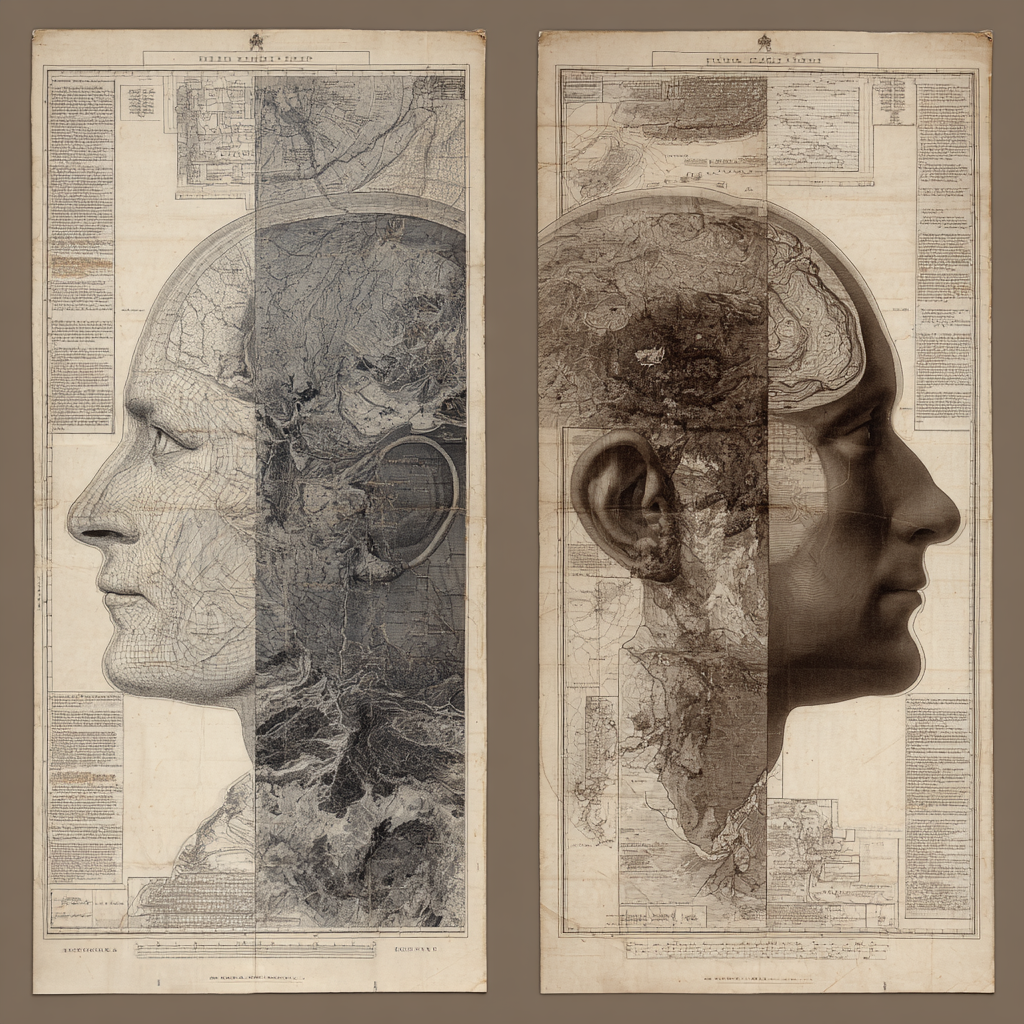
Comparing the Models of Kegan and Wilber on Consciousness
How does our consciousness evolve? This post explores two profound "maps" of human consciousness from thinkers Robert Kegan and Ken Wilber. Discover the key differences between Kegan's developmental stages and Wilber's more expansive, spiritual spectrum.

The Beetle and the Beer Bottle: A Lesson in How We Perceive Reality
An Australian Jewel Beetle once mistook a beer bottle for a mate. Its perception was wrong, but the bottle was still a bottle. This quirky story is at the heart of a deep question: do we create reality, or do we just observe it? A reflection on consciousness and the nature of what's real.
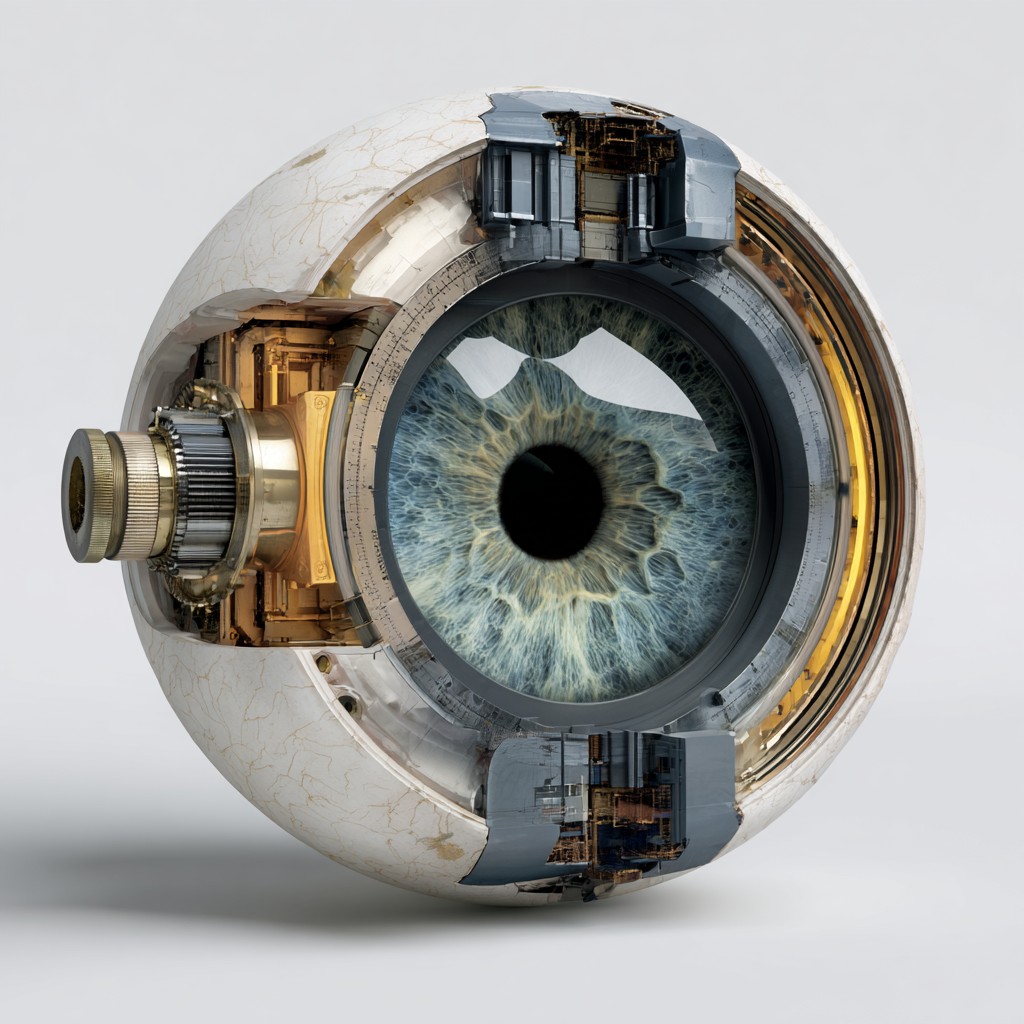
Can an Eye See Itself? The Limits of a Measurement-Only Reality
An eye can see the world, but it cannot see itself. A knife can cut many things, but it cannot cut itself. This ancient wisdom reveals a deep flaw in our modern, measurement-based reality. This post explores the limits of a dualistic worldview and why some of the deepest truths—like our connection to the universe—can't be measured.