I spent years in school immersed in the study of how our minds, bodies, and spirits connect. Rather than letting my writings sit in a folder, I’ve taken my essays on transpersonal psychology, psychophysiology, and neurofeedback and evolved them into these blog posts.
This is my academic journey shared one reflection at a time. Bridging the gap between rigorous study and the personal insights that make sense of the human experience.

The Compass and the Rulebook being a Healer
In my culture, care looks like a warm meal. In clinical practice, that can look like a boundary violation. This post explores the nuanced difference between a Code of Ethics (our values) and a Code of Conduct (our rules), and how I navigate the tension between cultural identity and professional standards.

How to Build Identity Through Values
"I have no clue who I am." If this sounds familiar, you might be suffering from a gap between your "Real Self" and your "Ideal Self." This post explores how identifying your core values like Benevolence, Resilience, and Growth, can help you build a stronger, more authentic identity.

Anxiety in the Digital Age: Can Wearable Tech and Telehealth Bridge the Gap for Young Adults?
50% of young adults report symptoms of anxiety. Could the solution be on their wrists? This post explores my research proposal on Heart Rate Variability Biofeedback, asking if we can treat anxiety effectively by combining wearable technology with telehealth.

What the Research Actually Says About Heart Rate Variability Biofeedback
Does HRV biofeedback actually work? I reviewed the latest research on healthcare workers, veterans, and athletes to find the answer. While the stats prove it lowers anxiety, this post explores why we are missing the most important data point of all: the human story.

Biofeedback for Teens: Why We Need Both Stories and Statistics
Teenagers are not just "mini-adults." This post explores why researching HRV Biofeedback for adolescents requires a unique approach. I discuss the importance of asking teens about their lived experience, is the therapy boring?, before we can measure if it works.
Why We Must Identify Spiritual Emergencies Correctly
Is it psychosis, or a spiritual awakening? The way a therapist answers this question can change a client's life. This post explores the importance of identifying Spiritual Emergencies and the vital role of family in "containing" the crisis.

How I Choose the Right Research Design for HRV Biofeedback
Research isn't one-size-fits-all. This post pulls back the curtain on my research process, explaining why some questions require flexible, open-ended inquiry while others demand rigid, quantitative data.
The Dissociative Split: A Psychological Reason We Harm the Planet
Why do we keep harming the planet, even when we know it's wrong? This post explores a fascinating psychological theory: that we suffer from a "dissociative split" between our knowledge and our actions. A deep dive into the psychopathology of the human-nature relationship.
Seeing Nature Through My Daughter's Eyes
I thought I was teaching my daughter about nature, but it turns out she was teaching me. This is a story about reconnecting with the wild world through a child's eyes—and rediscovering a more attuned, sensitive, and joyful relationship with the earth.
How Action-Based Spirituality Supports Mental Health
Spirituality isn't just about what you believe; it's about what you do. This post explores the Jewish concept of "deed over creed" and the Mitzvah to heal. I discuss how action-based spirituality can be a powerful resource in mental health recovery.
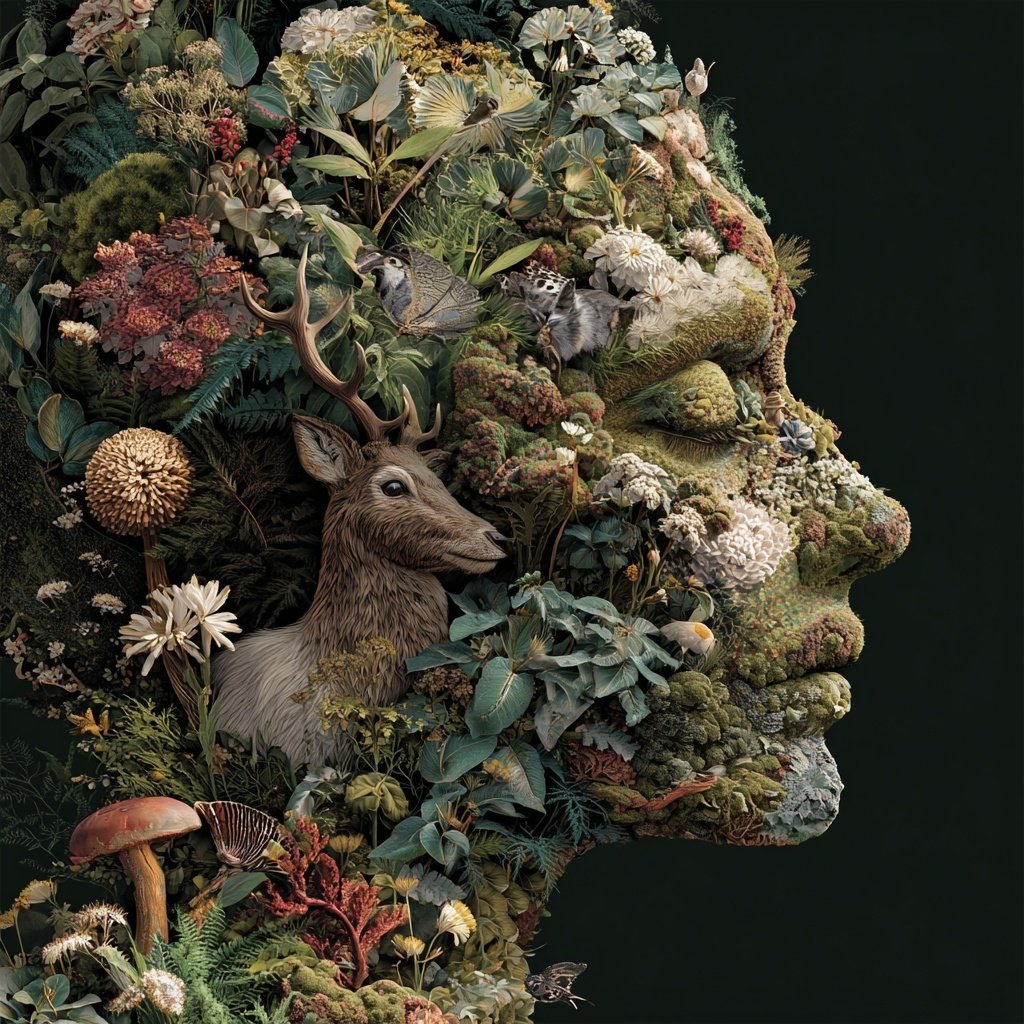
Our Separation from the Natural World
We've forgotten that we are nature. This post explores the "collective amnesia" that has led modern society to a dangerous disconnection from the natural world, resulting in ecological destruction and a rise in human illness. Discover the cultural roots of the problem and the path back to healing ourselves by healing the planet.
I Asked 11 People How Nature Impacts Their Well-Being. Here's What I Found.
Did you know 100% of people in my recent study use nature to cope with stress? I surveyed and interviewed 11 people on their relationship with nature, and the findings—on everything from spirituality to anxiety—were fascinating. Here’s a look at the data from my own qualitative research into our connection with the natural world.

What My Dream of a Deceased Friend Taught Me About Grief and the Afterlife
A few months after my friend died, he appeared in my dream, driving a golf cart on a strange, red planet. This post is a personal reflection on that extraordinary visitation dream and what it taught me about grief, healing, and the mysterious ways we find closure. A look at the line where psychology and spirituality meet.

Stop Asking "Is Religion Important?" (And What to Ask Instead)
Stop asking "Yes or No" questions about faith. This post explores a simple change in language that can transform your intake assessments. Discover why asking "In what ways..." is the key to unlocking a client's spiritual history.

The Digital Age of Spiritual Support: Why I Use Online Resources in Therapy
Are you using the internet to support your clients' spirituality? This post highlights two amazing resources for Islamic and Buddhist clients. Discover how digital bibliotherapy can build rapport and provide character-building tools for youth.

Faith, Suicide, and the "Sin" of Despair: Navigating Religious Guilt in Therapy
If a person is too depressed to think logically, is suicide still a "sin"? This post explores the difficult intersection of Islam, Mental Health, and Suicide. I ask whether religious communities would be more forgiving if they understood the biology of depression, and how therapists can navigate the guilt of religious clients.

When Devotion Turns Toxic: Recognizing the Line Between Religion and Control
When does a "charismatic group" become a cult? This post discusses the red flags of spiritual abuse, isolation, financial pressure, and excessive devotion, and the challenge of helping a client who doesn't think they need saving.

Sikhism, Gurus, and the "Cult" Label: A Lesson in Cultural Competency
is it a cult, or just a culture you don't understand? This post explores my introduction to Sikhism, the expansive role of the Guru, and why therapists must be careful not to label unfamiliar spiritual practices as "harmful."

The Spiritual Therapist: Navigating Boundaries, Collaboration, and Access
Spiritual therapy shouldn't be a luxury item. This post explores the ethics of combining psychotherapy with spiritual guidance. I discuss the importance of collaborating with clergy and ask a difficult question: Do community mental health clinics fail low-income clients by ignoring the soul?

What Chinese Philosophy Can Teach Us About Community Mental Health
Individualism vs. Harmony. This post explores the core values of Chinese Religions (Confucianism and Taoism) and why understanding the drive for "harmonized unity" is essential for culturally competent therapy.