Psychophysiology & Biofeedback Blogs
Writings exploring the connection between the mind and body, including nervous system regulation, HRV, biofeedback, habits, and stress physiology.
Read Blog
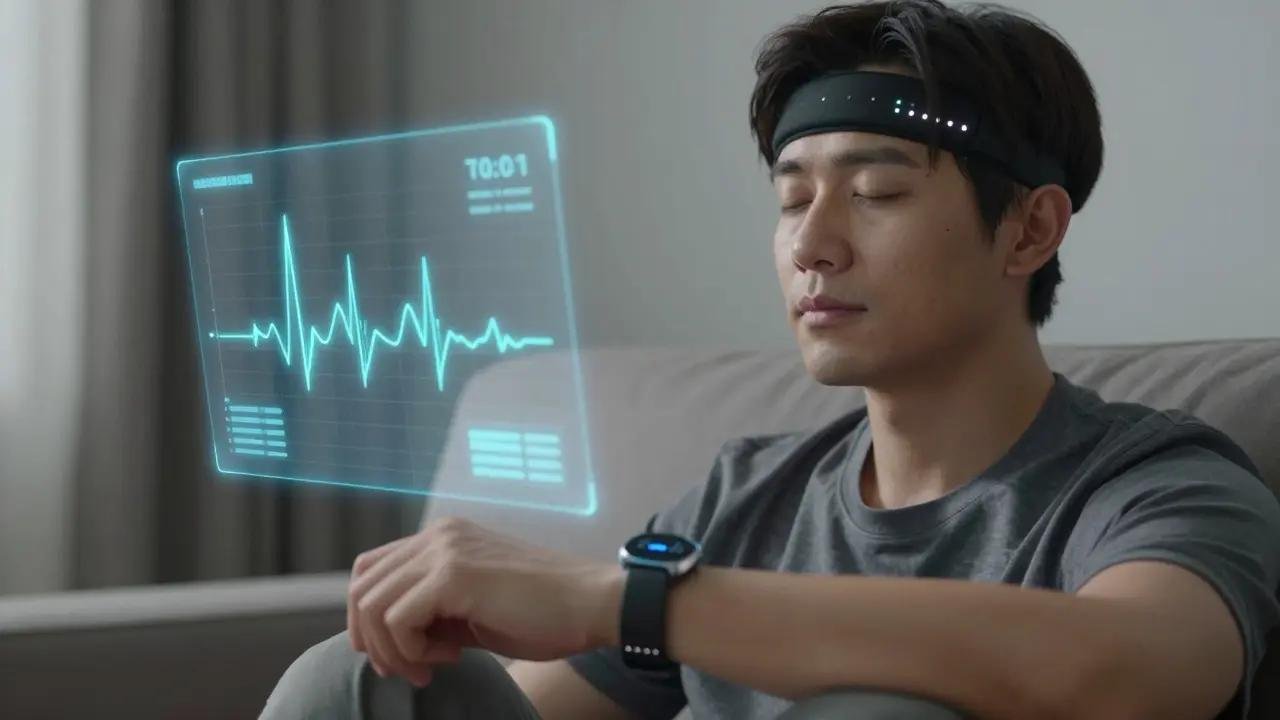




Writings exploring the connection between the mind and body, including nervous system regulation, HRV, biofeedback, habits, and stress physiology.HRV biofeedback is a mind-body tool that helps people notice the connection between breathing, heart rhythms, stress, and nervous system regulation. Research suggests it may support stress reduction, emotional regulation, and self-awareness, but the numbers only tell part of the story. This post explores what the research says and why people’s lived experiences matter too.
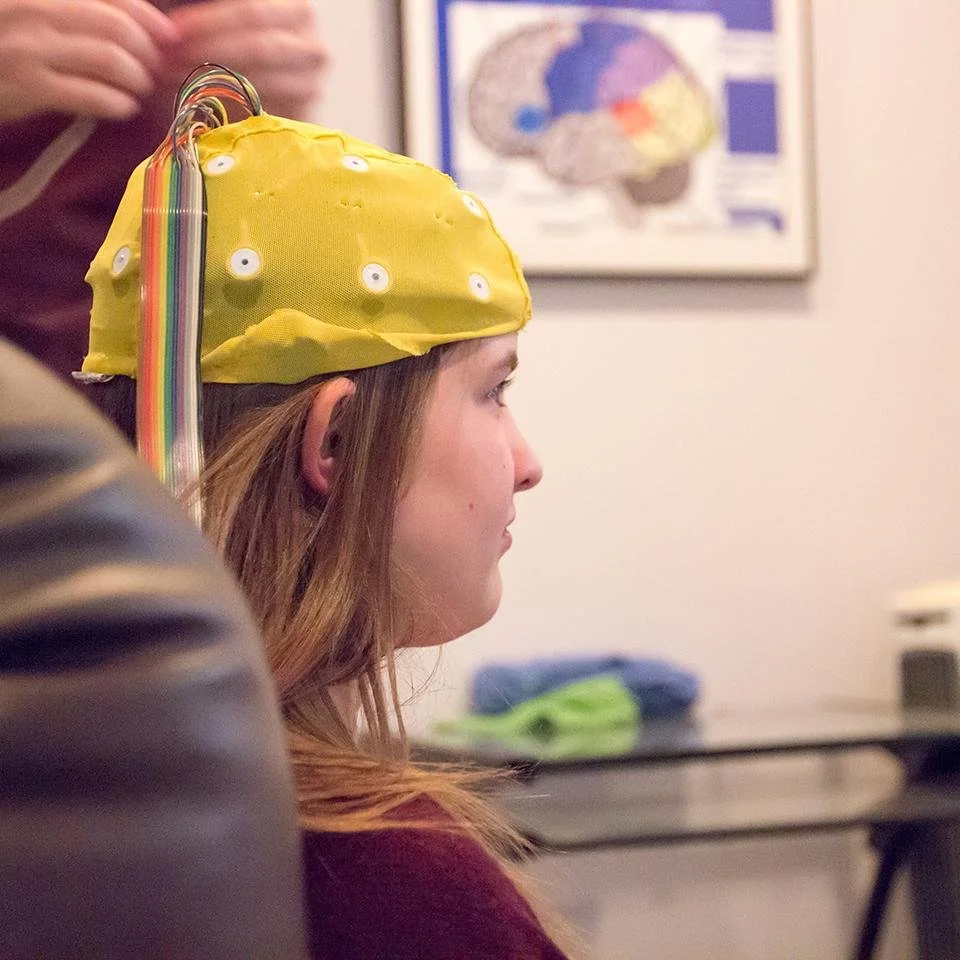
ADHD and trauma can sometimes look surprisingly similar in teens. Trouble focusing, restlessness, emotional outbursts, or difficulty finishing tasks may be labeled as ADHD, but for some young people, especially those with chronic stress or foster care histories, the real story may be trauma. This post explores how brain mapping with QEEG may help us look beneath behavior and ask a better question: is this brain underactivated, or is this nervous system on high alert?
Did you know that "relaxing" music can actually increase brain stress if you're a musician? This post explores the science of Neuromodulation, debunking the idea that one playlist fits all and explaining why your brain is picky about what it hears.
Why is it so hard to break a bad habit? It’s not just a lack of willpower; it’s biology. This post explores the neurophysiology of habit formation, explaining how the brain shifts tasks from the "thinking" Prefrontal Cortex to the "automatic" Basal Ganglia to save energy.
Medication isn't the only way to lower blood pressure. This post explores the science of Biofeedback, explaining how retraining your nervous system , through HRV, thermal, and GSR training, can fix the "broken" feedback loops that cause hypertension.
Is the "Placebo Effect" just a trick, or is it real physiology? This post explores the power of expectation in healing. I compare examples from Holistic Nutrition with my own work in Clinical Social Work to show how empathy and expectation can trigger biochemical changes.
50% of young adults report symptoms of anxiety. Could the solution be on their wrists? This post explores my research proposal on Heart Rate Variability Biofeedback, asking if we can treat anxiety effectively by combining wearable technology with telehealth.
Does HRV biofeedback actually work? I reviewed the latest research on healthcare workers, veterans, and athletes to find the answer. While the stats prove it lowers anxiety, this post explores why we are missing the most important data point of all: the human story.
Teenagers are not just "mini-adults." This post explores why researching HRV Biofeedback for adolescents requires a unique approach. I discuss the importance of asking teens about their lived experience, is the therapy boring?, before we can measure if it works.