What Is Neurofeedback?
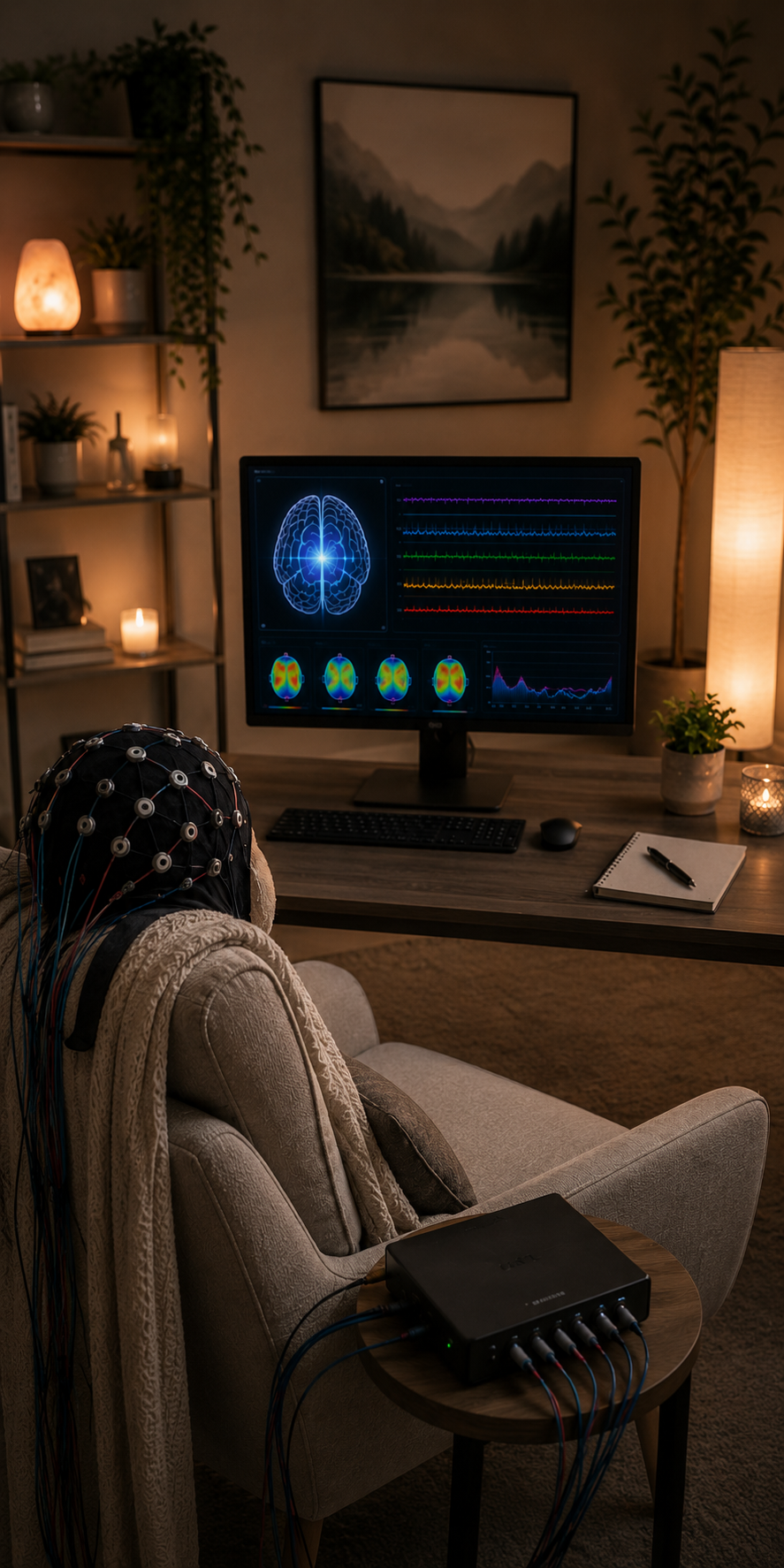
Neurofeedback is a brain-based training approach that uses real-time information about brain activity to help the brain learn more flexible and efficient patterns of functioning.
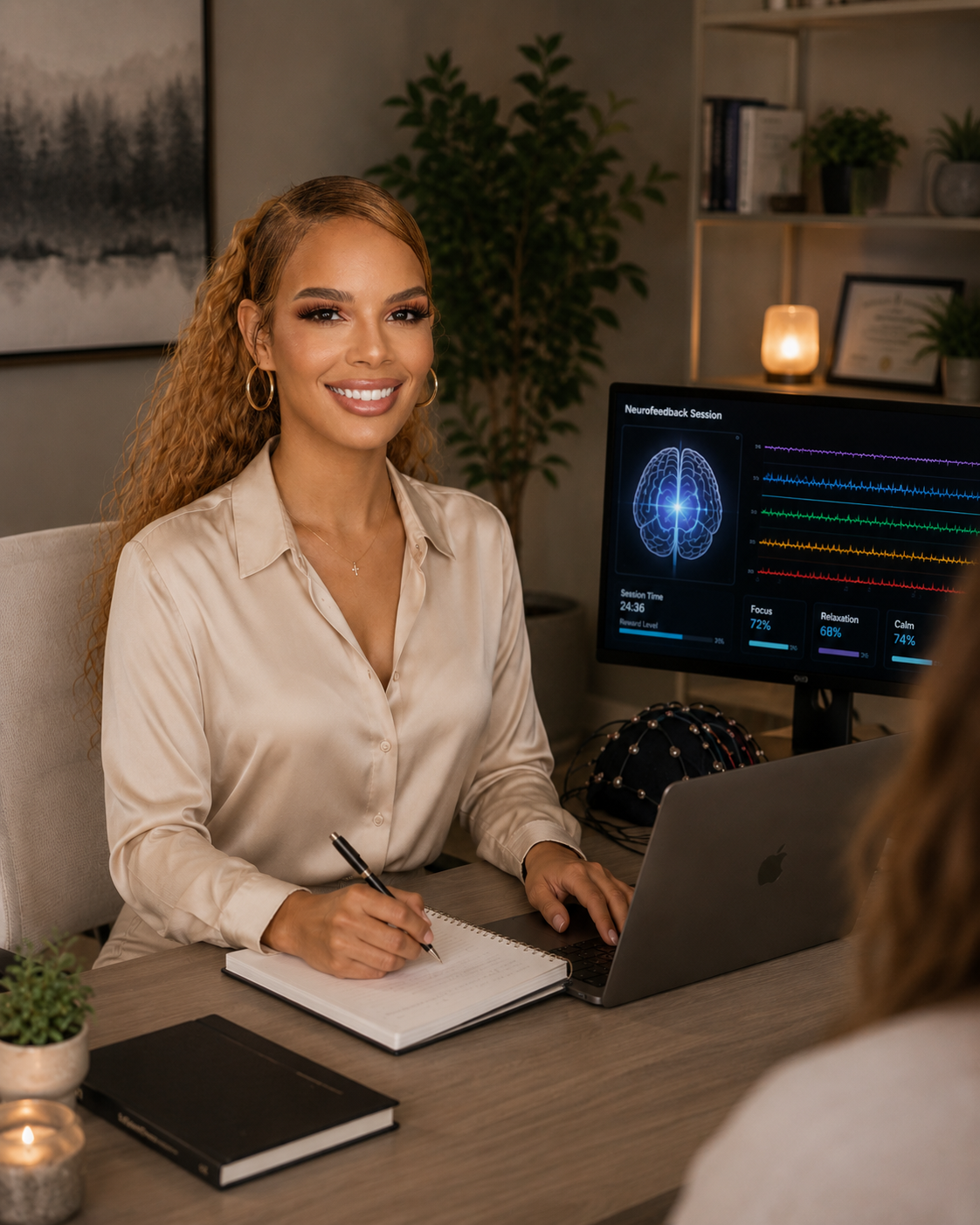
During a neurofeedback session, sensors monitor brain activity and provide feedback through visual or auditory cues. Depending on the goals of training, neurofeedback may involve encouraging certain patterns of brain activity while reducing or quieting others.
Neurofeedback is often explored for concerns related to attention, hyperactivity, stress, sleep, emotional regulation, and cognitive performance. It may also be used in performance enhancement settings, such as supporting focus, mental flexibility, and feeling calm under pressure.
Dr. Ashley Wilson-Dixon is currently developing neurofeedback as an emerging area of specialization. This page is offered for educational purposes and for individuals who are curious about brain-based feedback, self-regulation, and wellness technology.
Areas Neurofeedback Is Often Used For
Mental Health & Wellness
Attention and focus
Hyperactivity or restlessness
Stress and nervous system regulation
Sleep concerns
Emotional regulation
Anxiety-related patterns
Cognitive flexibility
Mental fatigue
Performance & Cognitive Enhancement
Sustained attention
Focus under pressure
Calm-alert states
Reaction time
Mental clarity
Consistency
Recovery after stress
How Neurofeedback Works
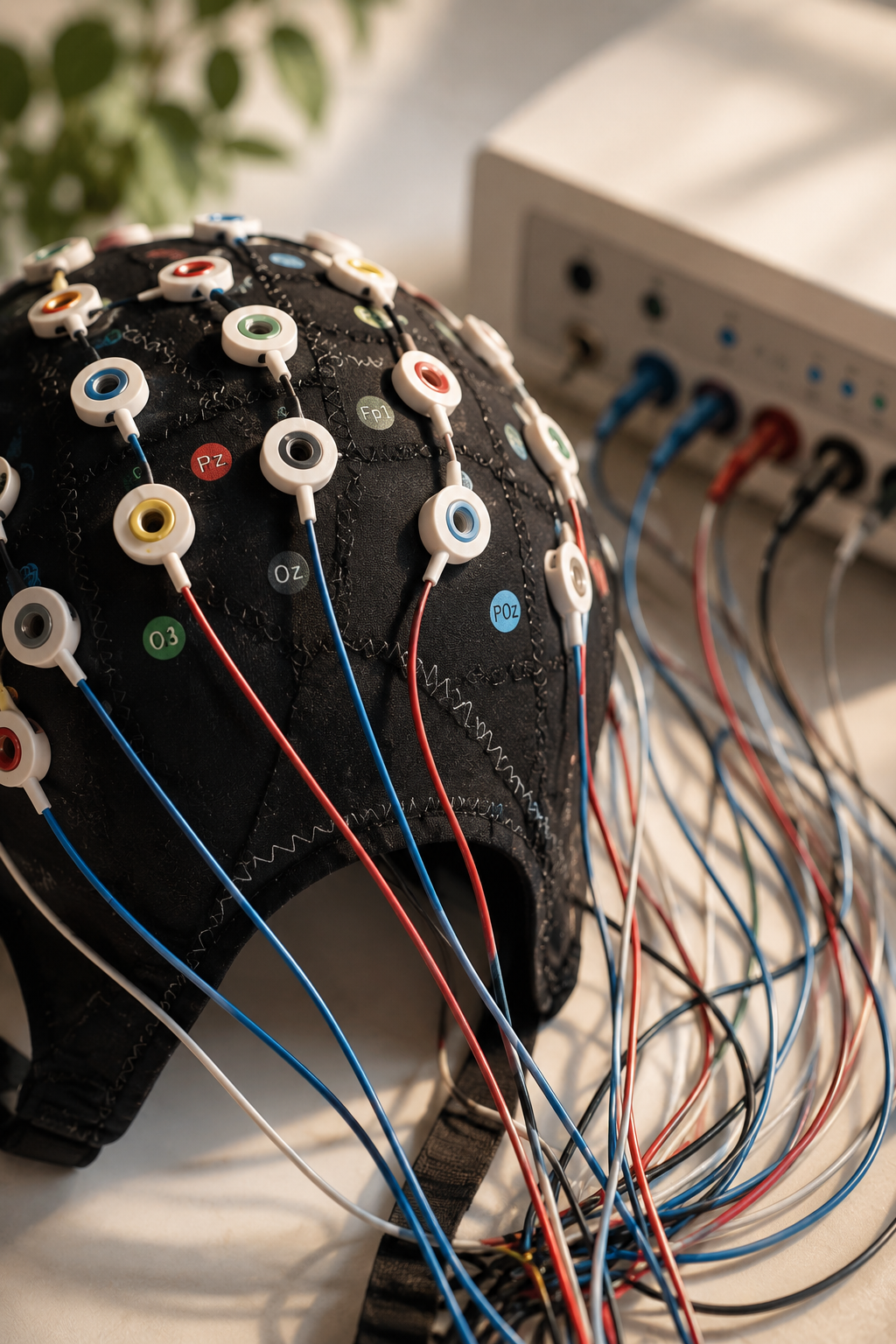
Sensors Gather Brain Activity
Small sensors are placed on the scalp to read patterns of brain activity. The sensors do not put anything into the brain; they simply collect information.
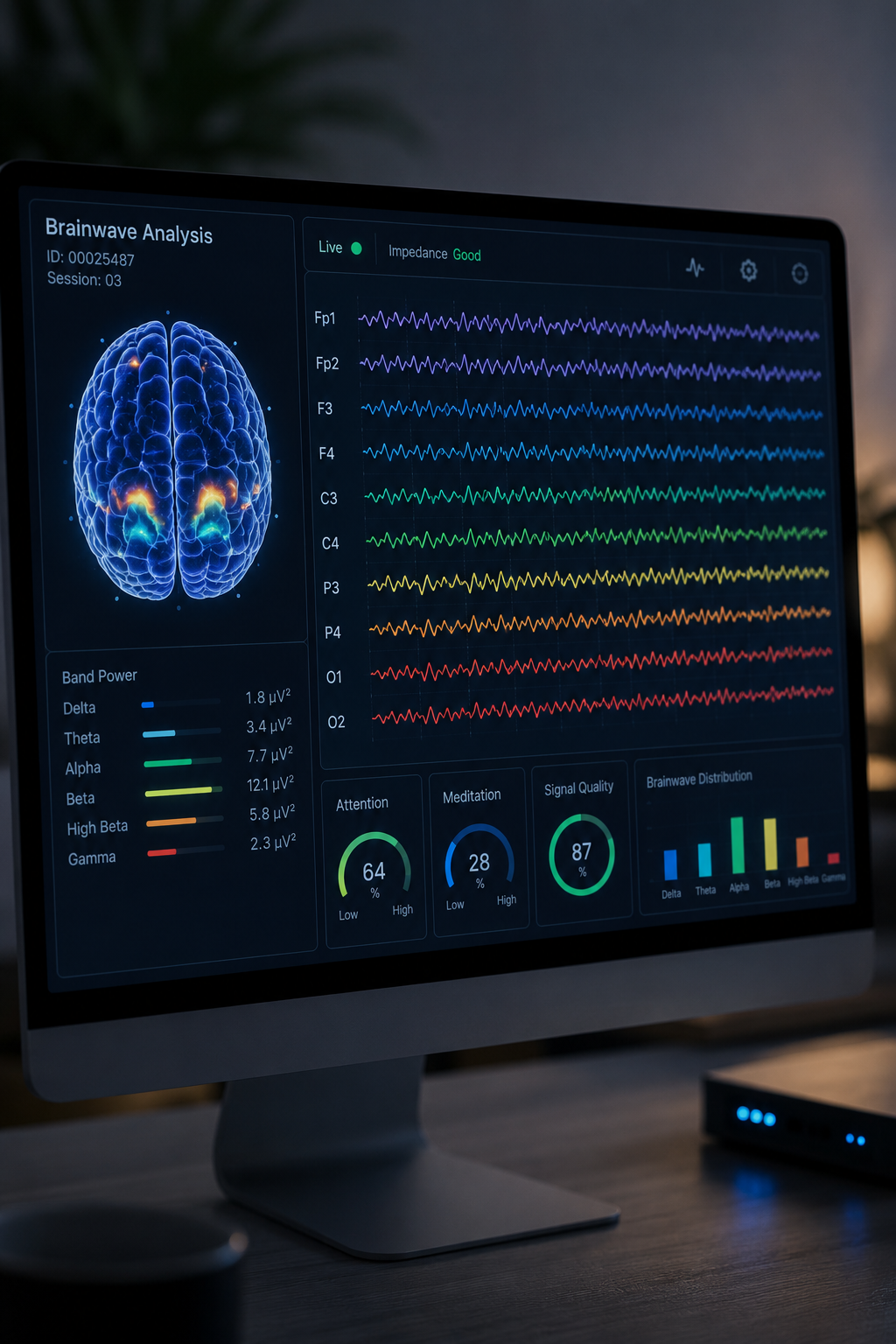
Feedback Happens in Real Time
The brain receives feedback through visual or auditory cues, such as a screen, sound, or game-like display. The feedback changes as brain activity shifts.
The Brain Practices New Patterns
Over time, the brain may learn to move toward patterns associated with focus, flexibility, calm-alert states, or regulation, depending on the training goals.
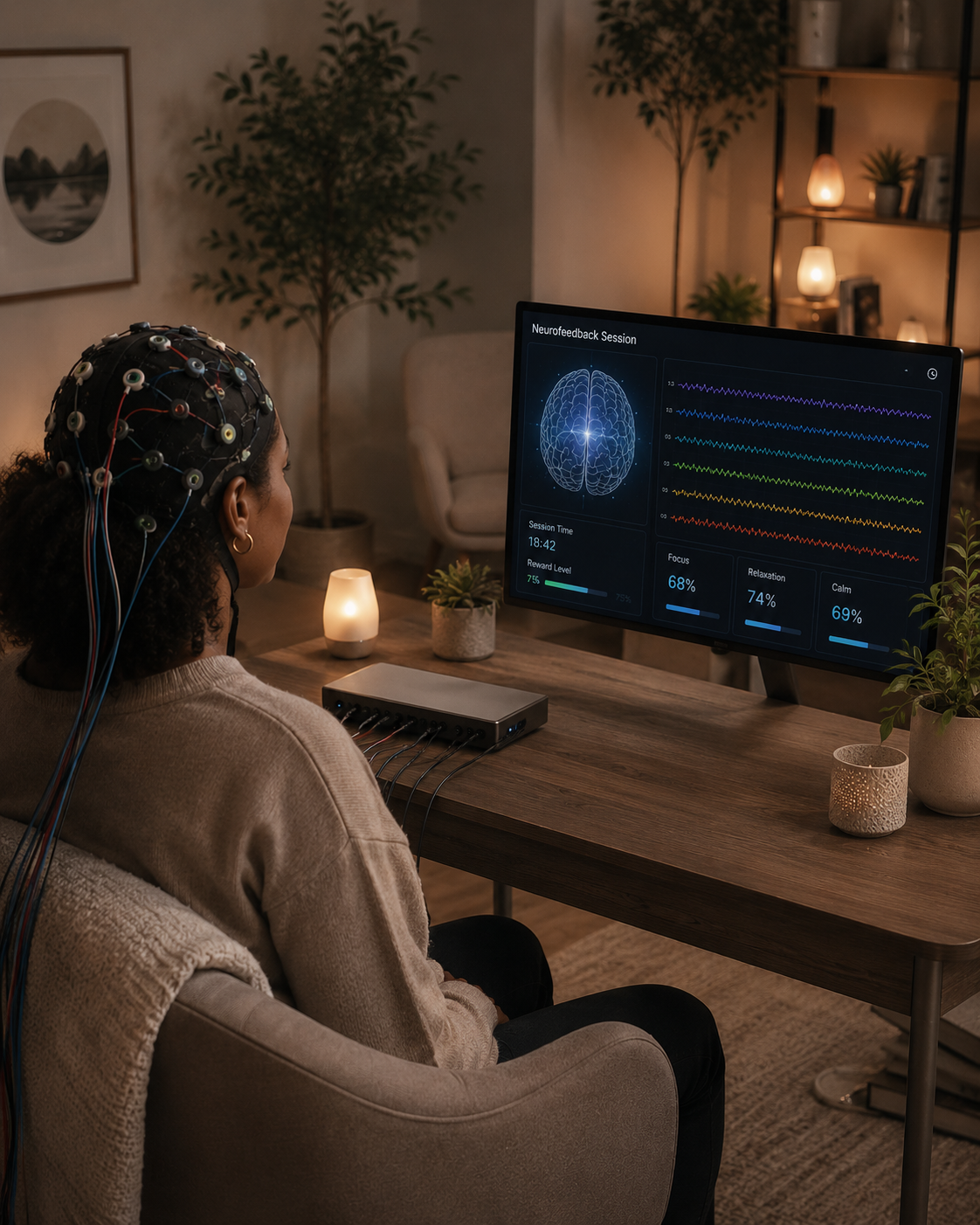
Training Is Personalized
Neurofeedback is not one-size-fits-all. Goals, protocols, equipment, and progress may vary based on each person’s needs and the provider’s assessment.
Neurofeedback is not a one-size-fits-all intervention, and research support varies depending on the concern, protocol, equipment, and individual needs. This page is for education only and does not replace medical care, mental health care, diagnosis, or treatment.