Using Lucid Dreaming to Solve Waking Problems
Have you ever realized you were dreaming while you were still asleep? This phenomenon, known as Lucid Dreaming, has been practiced for centuries by Tibetan Buddhists for spiritual growth. But in the modern world, researchers like Stephen LaBerge have brought it into the laboratory, proving that the dream world is more than just random neural firing it is a training ground for the soul.
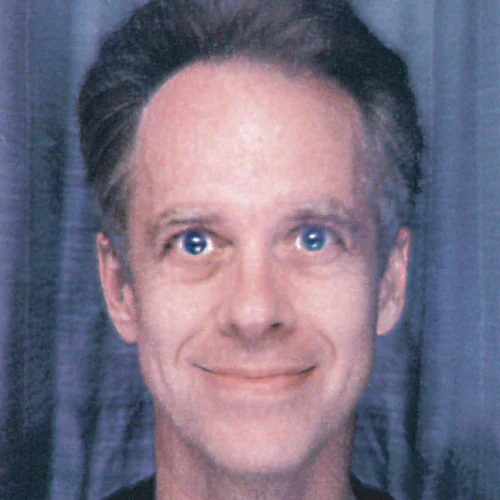
Stephan LaBerge
Reflecting on LaBerge's work, I was struck by how we can use this state not just for fun (like flying), but for profound spiritual connection.
Incubating the Divine
LaBerge shared how lucid dreaming can be used to have divine experiences. He suggests a practice called "dream incubation." Prior to going to sleep, we can set an intention. We can call upon God, the Universe, or whomever we connect with, and ask them to show us something "beyond the limited self."
During these incubated dreams, because we are "awake" within the dream, we can receive messages from the divine that are directly useful for our waking life. It allows us to bypass the ego and access wisdom that is usually hidden from us.
The "Speed" of the Dream World
One concept I found particularly fascinating was why dreams are so useful for problem-solving: Speed.
In our waking reality, there is often a lag between cause and effect. We take an action, and we have to wait to see the result. But in the dream world, the feedback loop is immediate. Our thoughts create instant reality.
This makes the dream state a perfect simulation lab. We can "perform" our responses to difficult situations in the dream state, see the immediate emotional and physical outcome, and use that data to guide how we live our waking lives.
The Science: How We Know It’s Real
For a long time, scientists were skeptical that lucid dreaming was real. They thought people were just waking up, having a thought, and falling back asleep.
But EEG technology changed everything.
Researchers like LaBerge found a loophole in sleep paralysis. When we are in REM sleep (dreaming), our bodies are paralyzed to keep us from acting out our dreams—except for our eyes.
LaBerge trained dreamers to perform specific eye movements (like looking left-right-left-right) while they were inside the dream. The EEG machines recorded these deliberate signals while simultaneously confirming the brain was in deep REM sleep. This proved, once and for all, that the mind can be conscious even when the body is asleep.
