Ethics, Culture & Therapy
Essays on therapeutic ethics, boundaries, cultural humility, clinical practice, and the human complexities of healing work.
Read Blog










Essays on therapeutic ethics, boundaries, cultural humility, clinical practice, and the human complexities of healing work.Therapy boundaries are meant to protect clients, but real life is not always simple. What happens when a therapist sees a client in public, receives a social media request, or navigates cultural expectations around warmth and connection? This post explores dual relationships, confidentiality, and why ethical therapy needs both clear boundaries and trauma-informed flexibility.
Ethics are more than professional rules. They are the values that guide how we care, decide, and show up. This post explores the difference between a code of ethics and a code of conduct, and why both matter in therapy, mind-body medicine, cultural humility, and professional boundaries.
My therapist hugged me, mentored me, and broke the "rules" and it healed me. This post explores the controversial topic of Dual Relationships in therapy. I discuss why I advocate for "Trauma-Informed Flexibility" over rigid boundaries, and how I navigate the tension between professional ethics and human connection.
Ethics are not just theoretical; they are embodied. This post defines my personal code of ethics as a mind-body professional. I explore my five core pillars, Integrity, Cultural Humility, Compassion, Resilience, and Growth—and discuss the challenge of maintaining boundaries when working with clients who reflect my own lived experience.
In my culture, care looks like a warm meal. In clinical practice, that can look like a boundary violation. This post explores the nuanced difference between a Code of Ethics (our values) and a Code of Conduct (our rules), and how I navigate the tension between cultural identity and professional standards.
Stop asking "Yes or No" questions about faith. This post explores a simple change in language that can transform your intake assessments. Discover why asking "In what ways..." is the key to unlocking a client's spiritual history.
Are you using the internet to support your clients' spirituality? This post highlights two amazing resources for Islamic and Buddhist clients. Discover how digital bibliotherapy can build rapport and provide character-building tools for youth.
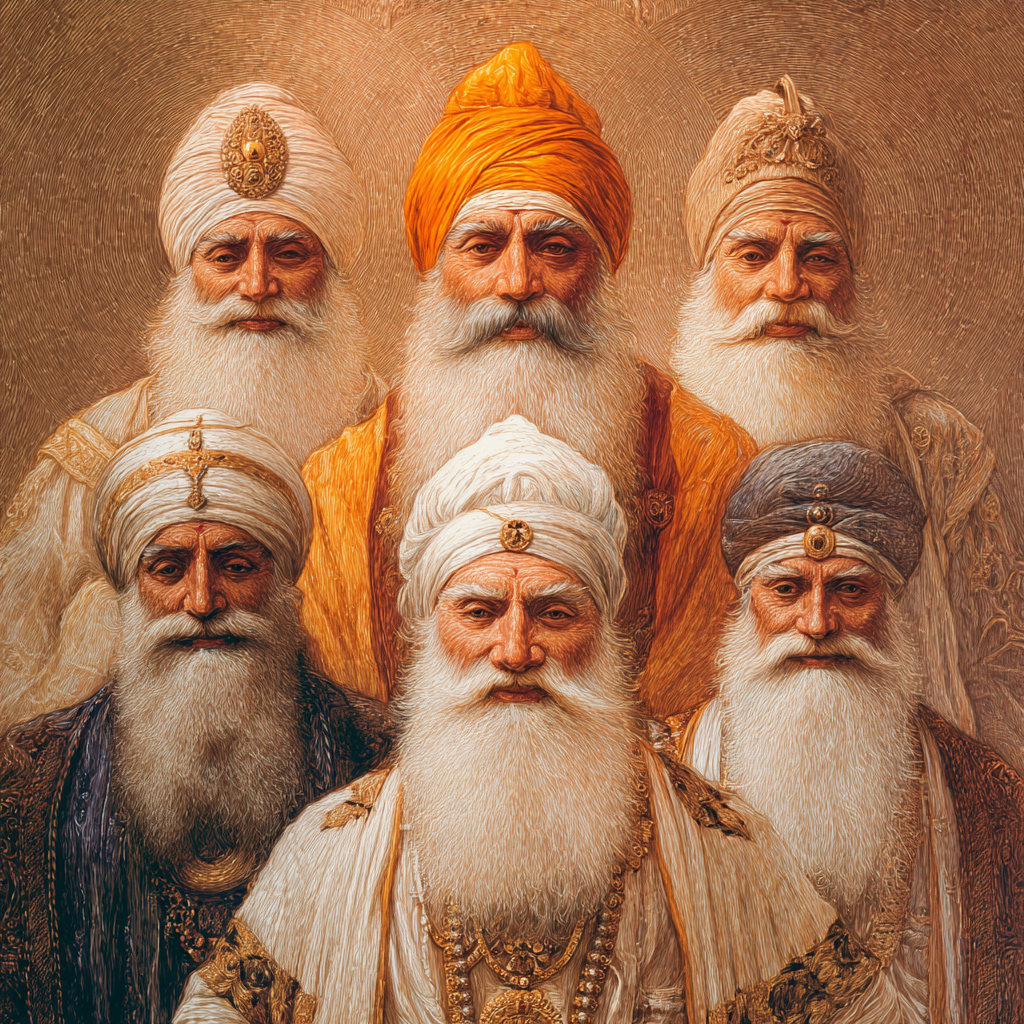
is it a cult, or just a culture you don't understand? This post explores my introduction to Sikhism, the expansive role of the Guru, and why therapists must be careful not to label unfamiliar spiritual practices as "harmful."
Spiritual therapy shouldn't be a luxury item. This post explores the ethics of combining psychotherapy with spiritual guidance. I discuss the importance of collaborating with clergy and ask a difficult question: Do community mental health clinics fail low-income clients by ignoring the soul?
Individualism vs. Harmony. This post explores the core values of Chinese Religions (Confucianism and Taoism) and why understanding the drive for "harmonized unity" is essential for culturally competent therapy.
Do you expect your clients to teach you about their culture? This post explores why "learning outside the therapy room" is essential for clinicians. I share a personal realization regarding Hinduism and organ donation that changed the way I view cultural competency.
Why does the DSM change over time? Why was homosexuality once a diagnosis and now it isn't? This post dives into the social construction of mental illness, arguing that viewing diagnosis as a fluid cultural product—rather than a fixed biological fact—can actually help clients heal.