
How Action-Based Spirituality Supports Mental Health
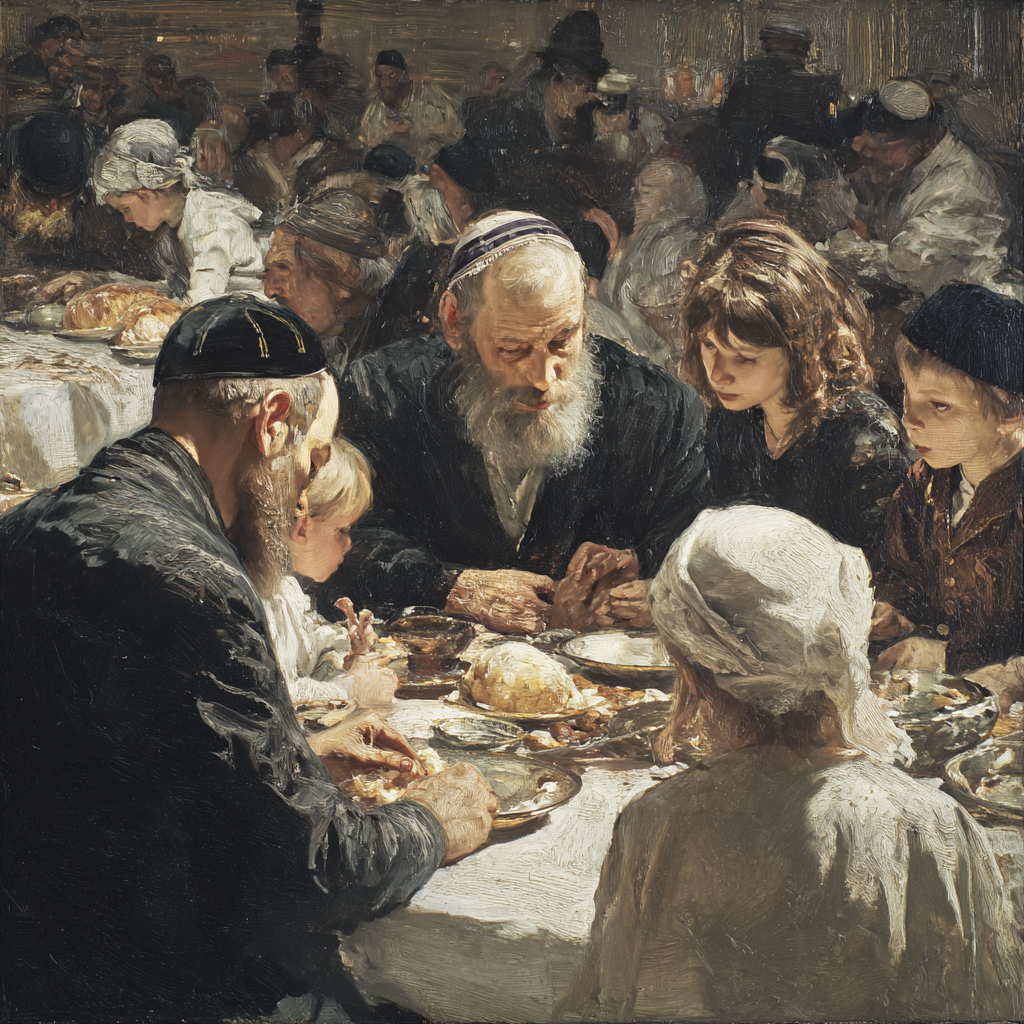
Spirituality isn't just about what you believe; it's about what you do. This post explores the Jewish concept of "deed over creed" and the Mitzvah to heal. I discuss how action-based spirituality can be a powerful resource in mental health recovery.

Stop Asking "Is Religion Important?" (And What to Ask Instead)
Stop asking "Yes or No" questions about faith. This post explores a simple change in language that can transform your intake assessments. Discover why asking "In what ways..." is the key to unlocking a client's spiritual history.

Faith, Suicide, and the "Sin" of Despair: Navigating Religious Guilt in Therapy
If a person is too depressed to think logically, is suicide still a "sin"? This post explores the difficult intersection of Islam, Mental Health, and Suicide. I ask whether religious communities would be more forgiving if they understood the biology of depression, and how therapists can navigate the guilt of religious clients.

When Devotion Turns Toxic: Recognizing the Line Between Religion and Control
When does a "charismatic group" become a cult? This post discusses the red flags of spiritual abuse, isolation, financial pressure, and excessive devotion, and the challenge of helping a client who doesn't think they need saving.

Sikhism, Gurus, and the "Cult" Label: A Lesson in Cultural Competency
is it a cult, or just a culture you don't understand? This post explores my introduction to Sikhism, the expansive role of the Guru, and why therapists must be careful not to label unfamiliar spiritual practices as "harmful."

Why Therapists Need to Leave the Office to Learn
Do you expect your clients to teach you about their culture? This post explores why "learning outside the therapy room" is essential for clinicians. I share a personal realization regarding Hinduism and organ donation that changed the way I view cultural competency.

Spiritual Safety: Why Ignoring Religion in Therapy Can Be Dangerous
Is your therapist spiritually safe?
If a clinician ignores your faith, they might be missing the most important part of your healing. This post explores the dangers of the "secular bias" in psychology and why spirituality must be treated with the same respect as race or gender.