Social Work & Human Development
Essays and reflections on social work practice, human development, childhood experiences, family systems, social justice, and the social and cultural influences that shape our lives.
Read Blog










Now accepting therapy clients & clinical supervisees · California
Essays and reflections on social work practice, human development, childhood experiences, family systems, social justice, and the social and cultural influences that shape our lives.Does hiring more mental health professionals automatically improve student support? Drawing from my early school organizational research and professional experience, I explore how leadership, school culture, role clarity, and collaboration influence whether mental health services are accessible, coordinated, and effective.
Can someone be surrounded by helping professionals and still feel unsupported? Exploring fragmented care, institutional barriers, and the challenges of navigating multiple service systems, I reflect on why meaningful support requires more than providing resources—it requires coordination, accountability, and understanding the whole person.
When teenagers withdraw, become irritable, or struggle academically, are we seeing behavioral problems or signs of emotional distress? Exploring adolescent depression through a biopsychosocial lens, I reflect on why understanding young people's experiences requires curiosity, context, and listening before intervening.
Are we teaching students how to navigate emotional distress, or simply encouraging them to ask for help when they're overwhelmed? Reflecting on a proposed school-based suicide prevention program, I explore emotional regulation, problem-solving, crisis intervention, and why meaningful student mental health support requires more than awareness alone.
Is academic success really a matter of hard work and determination? Reflecting on Miles Corwin's And Still We Rise, I explore how trauma, poverty, racial inequality, and systemic barriers shape educational opportunity—and why recognizing student potential requires looking beyond grades, behavior, and individual achievement.
Does passing legislation mean we've achieved social progress? Reflecting on California's efforts to improve college housing for former foster youth, I explore the difference between equality and equity, the limitations of policy implementation, and why meaningful social change requires more than good intentions—it requires evidence of real improvements in people's lives.
When someone completes a criminal sentence, has their punishment truly ended? Reflecting on my participation in the Time Done social justice campaign, I examine the lasting barriers associated with criminal convictions, the tension between accountability and rehabilitation, and what it means for society to genuinely believe in second chances.
What does it really take to keep schools safe? Reflecting on my graduate research and experience as a psychiatric social worker, I explore why school violence prevention requires more than lockdowns and discipline—and how multidisciplinary threat assessment, early intervention, and student connection contribute to safer school communities.
Some of the patterns we carry began long before we were born. Reflecting on my own family history, I explore how intergenerational trauma, childhood experiences, and relationships shape who we become—and how self-awareness, compassion, and intentional choices can help us break cycles and create a different future.
How do childhood trauma, relationships, and our environments shape who we become? Reflecting on my experiences growing up in foster care, I explore the biopsychosocial model, emotional healing, the importance of supportive relationships, and how one school social worker helped me recognize my dignity and worth.
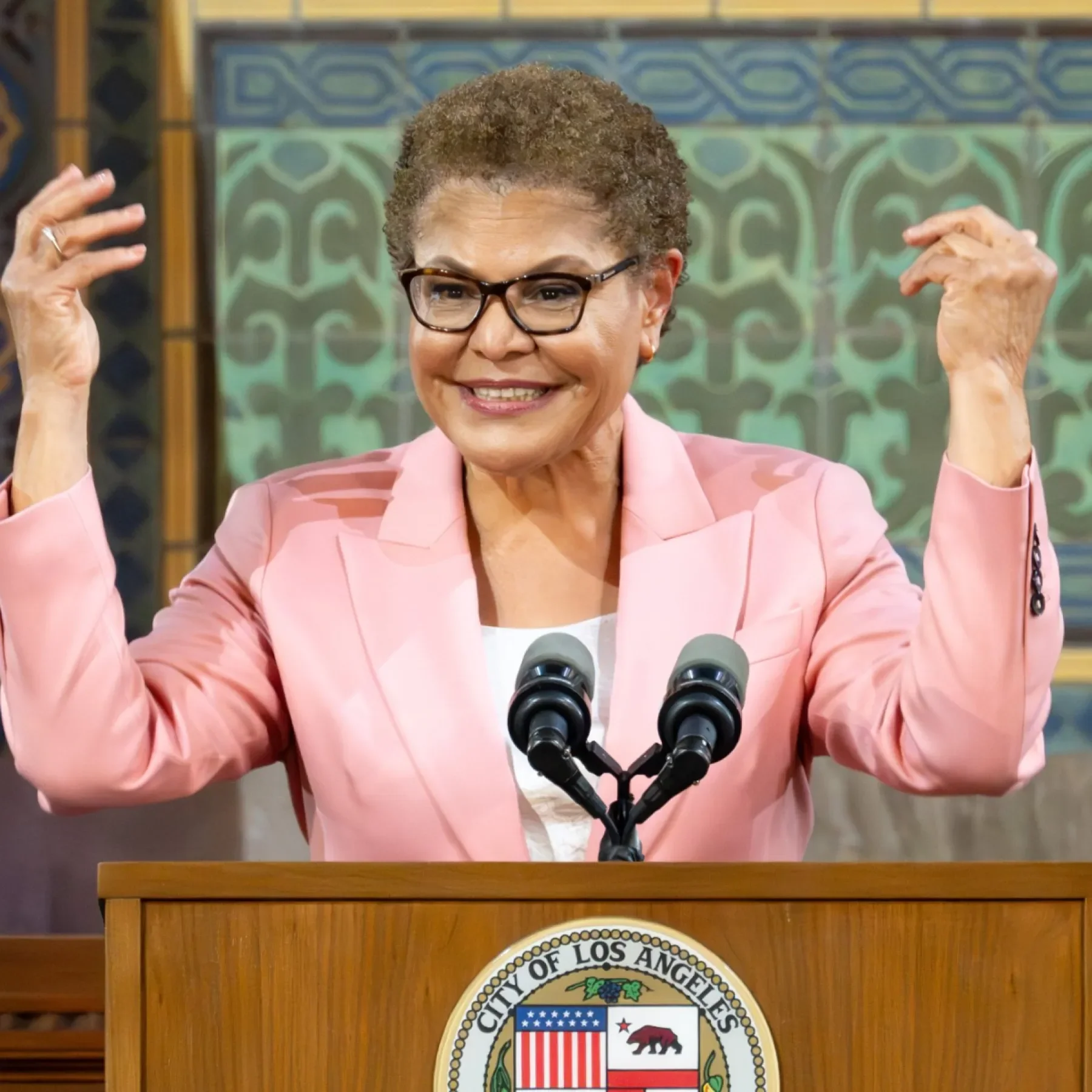
What happens when foster care support ends before a young person is ready for independence? Drawing from my personal experience aging out of foster care and a 2017 conversation with Karen Bass, I explore California's AB 12 legislation, the challenges facing transition-age foster youth, and why lived experience must help shape social work policy and advocacy.
How can nonprofit organizations pay social workers fairly while maintaining quality services? Drawing from a graduate social work budgeting exercise, I explore the ethical challenges of nonprofit funding, employee compensation, organizational sustainability, and the difficult decisions that influence care for vulnerable communities.
Behind Venice, California's beautiful canals, luxury homes, and artistic culture lies a complex story of gentrification, homelessness, and housing inequality. Reflecting on my 2017 community assessment, I explore how economic development can reshape neighborhoods, displace longtime residents, and challenge community identity—and why social work advocacy is essential to promoting social justice and belonging.
How do childhood experiences, family separation, poverty, and discrimination shape who we become? Through a life history interview, I explore the connections between adversity, attachment, resilience, and identity—and reflect on what one woman's remarkable story taught me about human development and social work.
How can evidence-based therapy help youth in foster care recover from trauma? Exploring Cognitive Processing Therapy (CPT), PTSD, and the potential of group treatment, this article examines the unique emotional, developmental, and systemic needs of foster youth and the importance of individualized, trauma-informed care.