

Faith, Suicide, and the "Sin" of Despair: Navigating Religious Guilt in Therapy
If a person is too depressed to think logically, is suicide still a "sin"? This post explores the difficult intersection of Islam, Mental Health, and Suicide. I ask whether religious communities would be more forgiving if they understood the biology of depression, and how therapists can navigate the guilt of religious clients.

When Devotion Turns Toxic: Recognizing the Line Between Religion and Control
When does a "charismatic group" become a cult? This post discusses the red flags of spiritual abuse, isolation, financial pressure, and excessive devotion, and the challenge of helping a client who doesn't think they need saving.
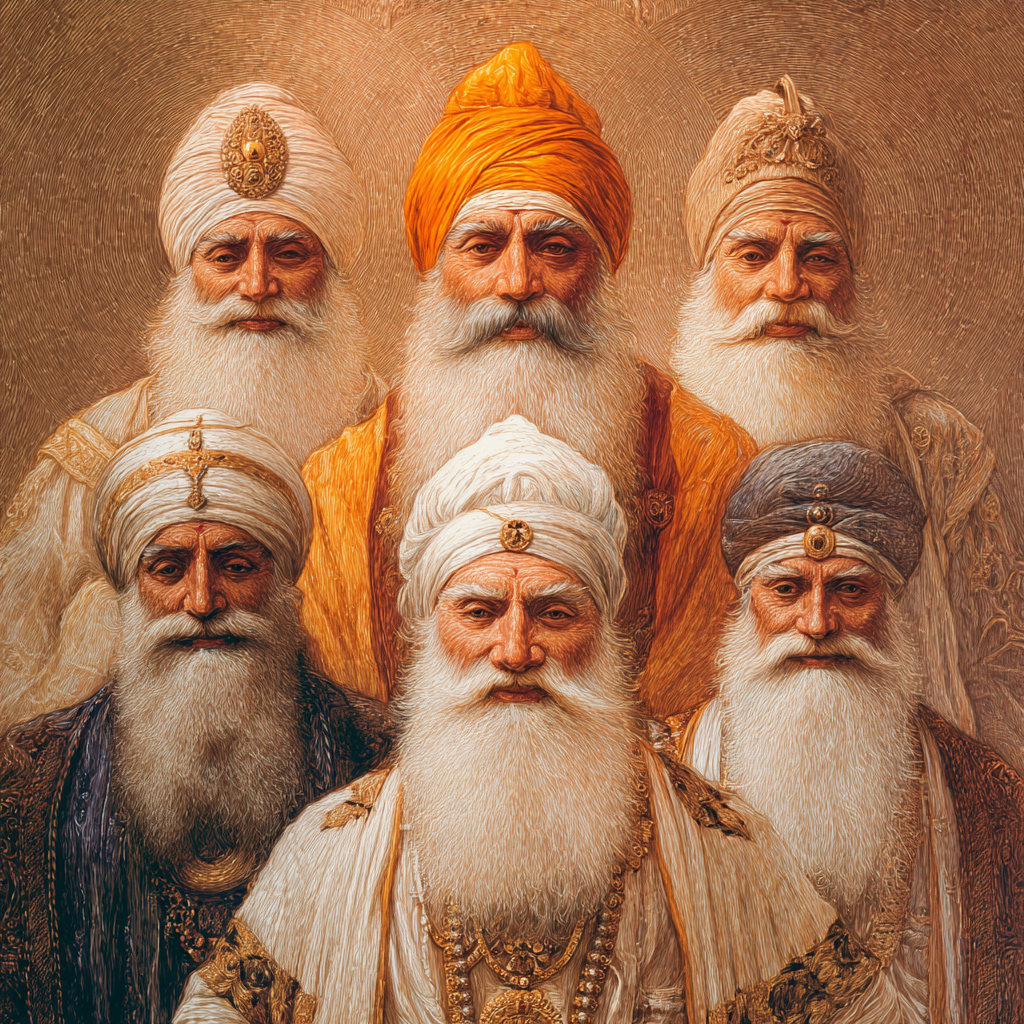
Sikhism, Gurus, and the "Cult" Label: A Lesson in Cultural Competency
is it a cult, or just a culture you don't understand? This post explores my introduction to Sikhism, the expansive role of the Guru, and why therapists must be careful not to label unfamiliar spiritual practices as "harmful."

The Spiritual Therapist: Navigating Boundaries, Collaboration, and Access
Spiritual therapy shouldn't be a luxury item. This post explores the ethics of combining psychotherapy with spiritual guidance. I discuss the importance of collaborating with clergy and ask a difficult question: Do community mental health clinics fail low-income clients by ignoring the soul?

What Chinese Philosophy Can Teach Us About Community Mental Health
Individualism vs. Harmony. This post explores the core values of Chinese Religions (Confucianism and Taoism) and why understanding the drive for "harmonized unity" is essential for culturally competent therapy.

From 'I' to 'We': Understanding the Stages of Consciousness Transformation
True recovery moves from "I" to "We." This post explores the Consciousness Transformation Model, discussing how shifting our focus from the ego to the collective can be the key to long-term mental health and spiritual growth.

Medication or Mysticism? Why We Need to Recognize ‘Spiritual Emergencies’
I once had a teenage client who was losing their faith, and I didn't know how to help. This post explores my journey from avoiding religious conversations to embracing "Spiritual Emergencies." I discuss why we need to stop medicating spiritual crises and start helping clients integrate them.

Why Therapists Need to Leave the Office to Learn
Do you expect your clients to teach you about their culture? This post explores why "learning outside the therapy room" is essential for clinicians. I share a personal realization regarding Hinduism and organ donation that changed the way I view cultural competency.

Spiritual Safety: Why Ignoring Religion in Therapy Can Be Dangerous
Is your therapist spiritually safe?
If a clinician ignores your faith, they might be missing the most important part of your healing. This post explores the dangers of the "secular bias" in psychology and why spirituality must be treated with the same respect as race or gender.

The Snooze Button Secret: Exploring the Controversy and Science of Lucid Dreaming
Does hitting the snooze button make you a better dreamer? Recent research suggests that interrupting your sleep cycle might be the key to triggering Lucid Dreams. This post explores the science of the "snooze effect" and how to wake up within your own mind.
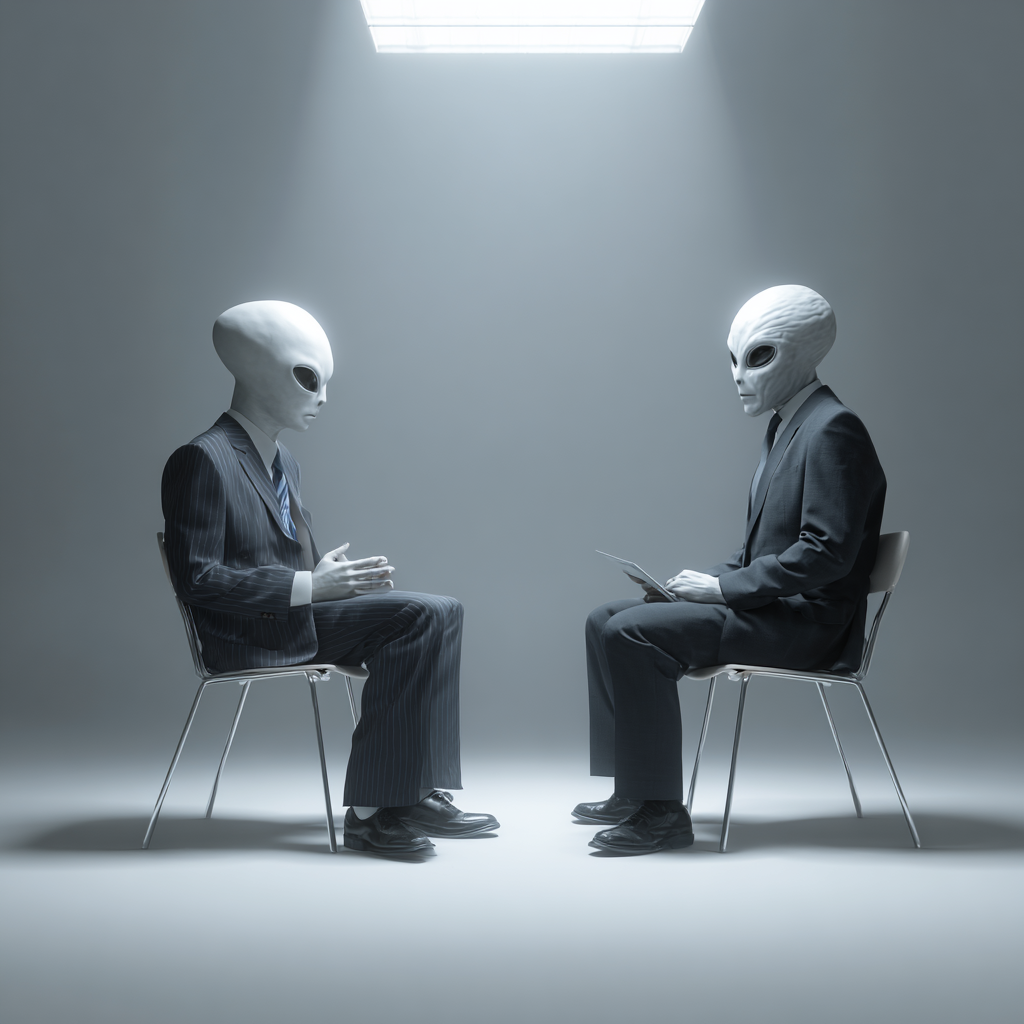
Pretending to be an Alien: How the 'Dream Interview' Method Unlocks Meaning
"Pretend I'm an alien. Explain 'fire' to me."
This post explores the Dream Interview Method, a therapeutic technique that stops the therapist from guessing your dream's meaning and empowers you to unlock the code of your own subconscious.
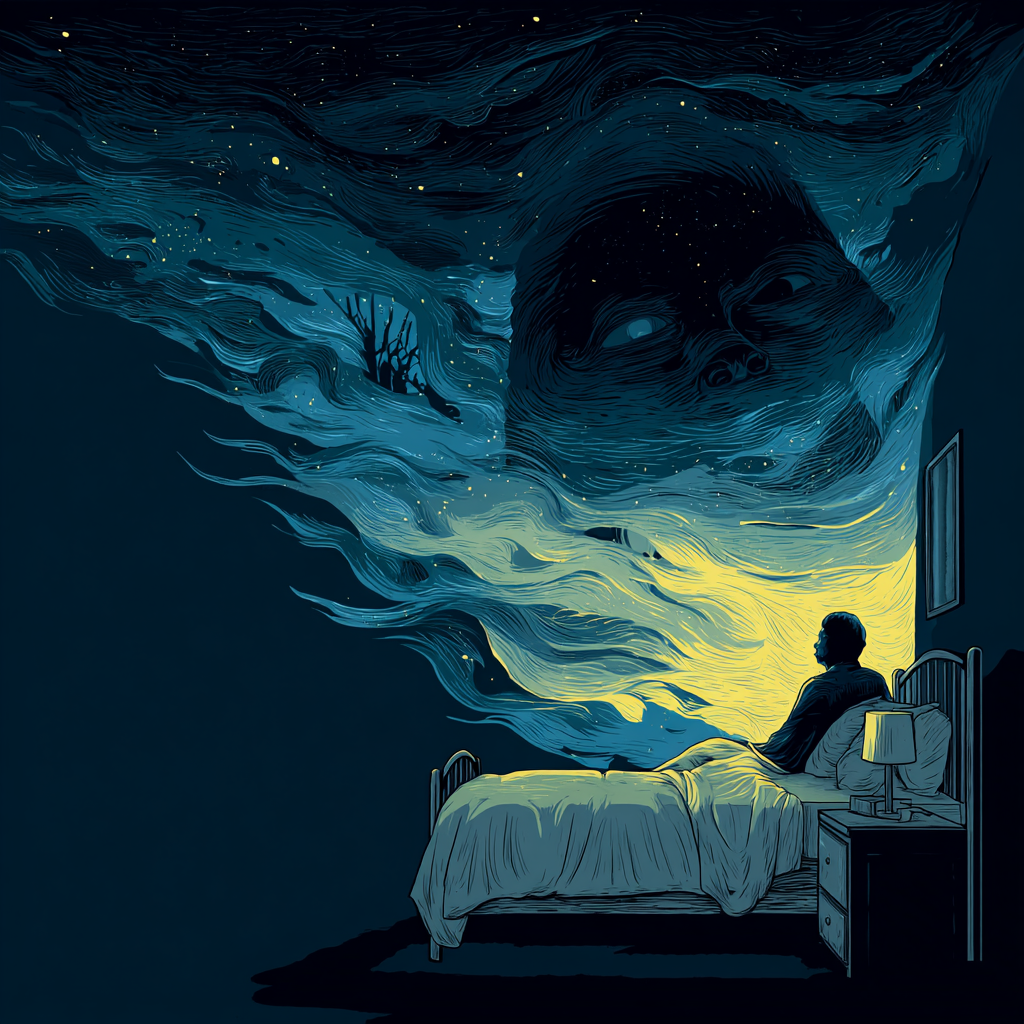
Demons in the Bedroom: Reframing Sleep Paralysis as a Spiritual Rite of Passage
Demons in the bedroom. This post explores the link between Sleep Paralysis and religious folklore, asking whether these terrifying night visions are actually invitations to spiritual growth.

The Funhouse Mirror: Distinguishing 'Awareness' from 'Consciousness' in the Dream State
Is your mind a clear mirror, or a funhouse mirror? In this post, I dive into the philosophy of Stephen LaBerge, exploring the difference between "Refractive Consciousness" (distorted by fear) and "Pure Awareness," and how lucid dreaming helps us tell the difference.

Using Lucid Dreaming to Solve Waking Problems
Can you ask God for a meeting in your sleep?
This post explores the practice of dream incubation, inspired by the work of Stephen LaBerge. I discuss how to set intentions before bed to receive divine messages and see "beyond the limited self."

When the Sun Storms, Do Our Dreams Go Silent? Exploring Telepathy and Geomagnetic Fields
Does "space weather" block your psychic dreams? Research suggests that high geomagnetic activity, like solar storms, can disrupt our brain's ability to receive telepathic messages. This post explores the link between the Earth's magnetic field and our sleeping minds.

Why We Must Study the Ordinary and Extraordinary of Dreams
The night mind is a gateway. From sleep paralysis to deep meditation, this post explores why studying the "extraordinary" side of dreaming is essential for holistic healing.

Understanding the Two Levels of Nature-Based Healing
Healing is a two-way street. This post explores Level 2 Ecotherapy, where we find wellness not just by taking from nature, but by giving back to it.

The Heavy Burden of Proof in Research
"A wise man apportions his beliefs to the evidence." This post explores the famous quotes from David Hume and Carl Sagan that define modern research. I discuss the necessity of data in quantitative studies and the challenge of proving "extraordinary claims."

The Turkey Problem: A Lesson in Trust, Betrayal, and Statistics
The turkey thought the farmer was his friend... until Christmas. This post explores Bertrand Russell's "Turkey Problem" as a metaphor for relationship betrayal. I ask whether the way we build trust makes us vulnerable to shock, and if changing our mindset could protect our hearts.

Why We Research in a World Without Guarantees
Does A cause B, or does B just happen after A?
This post dives into the philosophy of David Hume, exploring the "Problem of Induction" and why relying on the past to predict the future is logically circular—, and what that means for how we understand reality.